
Commercial Roofing in Elam Road Corridor, Balch Springs, TX
Elam Road is a broad commercial corridor, so roof work starts with the property rather than an assumed corridor-wide building type. In the Balch Springs, TX, area, we inspect the reported roof section, check the water path, and protect the interior space before opening membrane or flashing. The first visit marks what can be seen and where a test is needed to define the repair limit.
Elam Road runs through the broader City Center and Downtown area. Balch Springs’ 2050 growth priorities include the Elam Road corridor, where mixed-use zoning supports commercial and community development. That context does not establish details about an individual roof. A commercial roof inspection with a marked plan confirms the system and the conditions that need action.
What Does the Elam Road Planning Area Tell Us?
City Center and Downtown growth gives Elam Road a broad redevelopment context. The corridor is a focus for growth, with mixed-use zoning supporting future commercial and community development. That context does not tell us whether a particular roof is TPO, metal, modified bitumen, or another assembly. We verify the installed system from records and a field walk.
That distinction matters when a property is being improved or its use is changing. The owner may need a repair now, a condition record for planning, or a replacement scope that coordinates with later work. We mark the roof area, identify visible details, and note where access is limited. If the plan set is incomplete, a drone roof survey can capture accessible edges and transitions before closer inspection is scheduled.
Where Does the Water Path Cross the Assembly?
The room with a stain is the place to protect first. We compare it with the roof layout and inspect upslope seams, wall flashings, curbs, drains, and terminations. A probe checks an open lap. A moisture survey can narrow test locations, while a test cut shows whether insulation or the deck is wet. The roof plan then marks the confirmed condition separately from a suspected path.
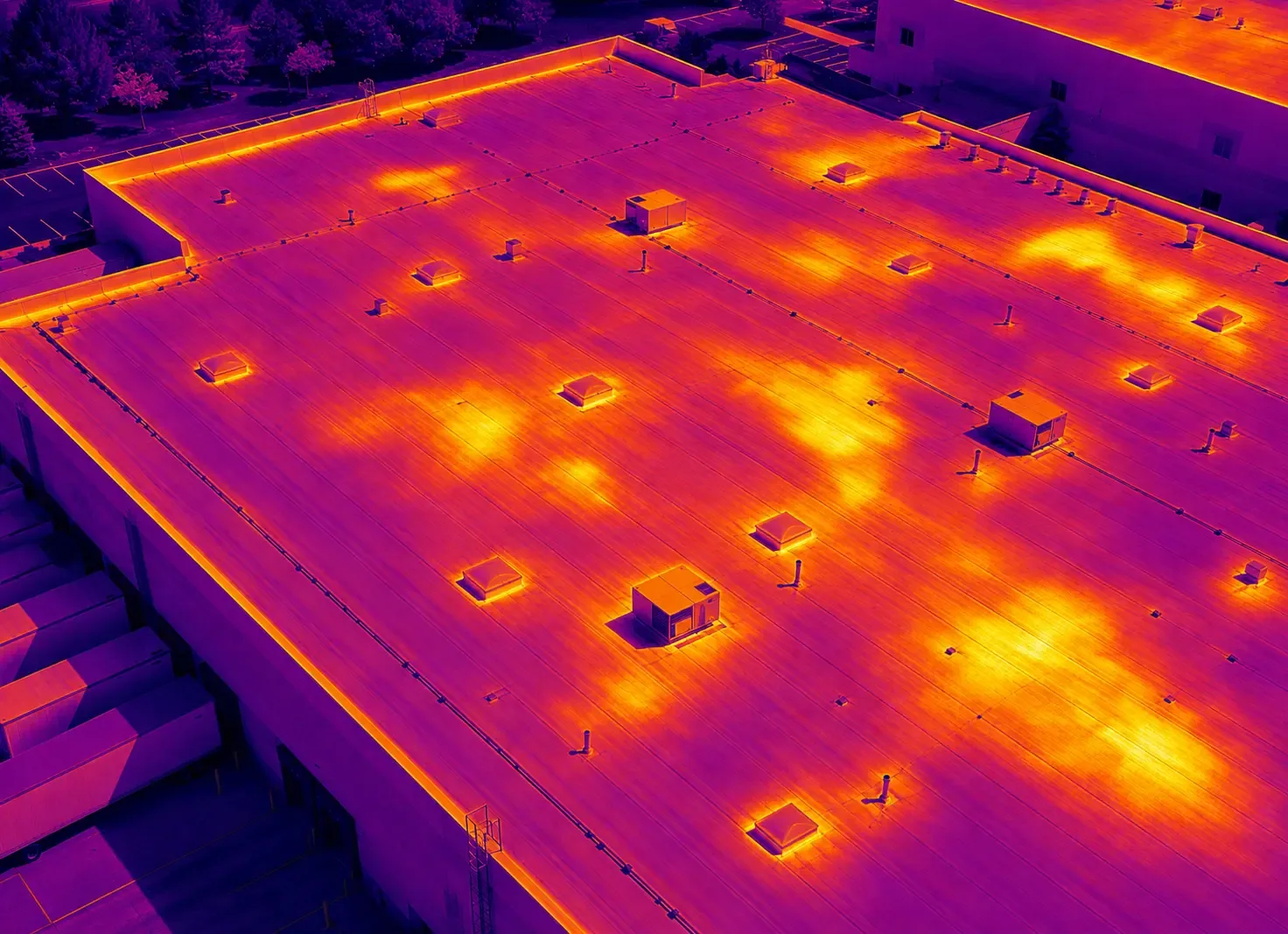
Before a cut, we confirm the interior area below, work hours, and how the crew can reach the section. Photos record the defect and nearby details before repair. If water moves under membrane, the removal boundary extends to dry, stable layers. An infrared survey followed by selective test openings can help establish that limit without treating an image as a final diagnosis. The scope notes any area that could not be opened.
How Should Work Fit Around a Property's Use?
The Elam Road corridor covers a broad area, not a single job site. We confirm the exact property access with its contact, including gate procedure, roof route, staging, and the hours when work can proceed. For commercial or community uses, interior protection may need to preserve a public entrance, a work area, or equipment below. The site contact sets those boundaries before material arrives.
When removal is required, we divide the roof into sections small enough to close during the agreed work window. The crew stages insulation and membrane so weather does not leave an unfinished opening. If a leak needs immediate control, a temporary emergency roof repair can protect the interior while the permanent scope is confirmed. We record both actions, with the temporary measure kept separate from the lasting correction.
When Can a Seam or Flashing Repair Stay Small?
An isolated opening may be repaired locally if the surrounding roof remains bonded, the insulation is dry, and the substrate can hold a proper transition. We prepare compatible material and restore the seam, curb, or wall detail. After the repair sets, we test the connection and photograph the finished work. The estimate names the section included and any nearby condition left for later review.
Moisture beyond the first cut changes the removal limit. We continue to dry material and rebuild the layers, rather than cover a wet assembly. Repeated failures, loose attachment, or drainage issues may support a section replacement. A recover remains an option only after checking existing layers, moisture, drainage, and project requirements. A replacement plan with sequenced roof sections sets tear-off and dry-in limits to match the property's approved schedule.
What Does DFW Heat Mean for the Work Window?
In the Dallas-Fort Worth climate, July and August daytime conditions run in the 90s and frequently rise to 100 degrees or above, with humidity adding to the load on crews and materials. We check the exposed roof temperature and the system instructions before a weld or coating. The daily plan limits how much membrane is left open and gives the crew a time to secure each section. Mesquite provides the market reference for these regional conditions.
A hot afternoon can change when a product is applied or how material is staged. We sequence the work around the conditions measured on the roof, not a forecast alone. If an opening cannot be closed in the approved window, temporary protection remains in place and the permanent work is rescheduled. The report states the condition, the area protected, and the step that still needs completion, so the facility contact can plan the next access period.
What Should the Elam Road Owner Receive?
The closeout should show what the crew found and what it repaired. We mark the roof plan, attach photos, identify installed materials, and note test cuts, drains, edges, and transitions within scope. If wet insulation was removed, the record shows the dry boundary. Items outside the work limit remain identified, so they are not mistaken for completed repair at the next review.
We inspect the completed seam or flashing, remove loose debris, and confirm the drain path remains clear. If conditions change during the work, the owner receives the revised limit before additional removal begins. A Balch Springs commercial roof inspection follows the actual property rather than the district plan, while a Downtown Rowlett roof review is scheduled as a separate location. Send the roof plan, leak timeline, interior photos, operating schedule, and access instructions to begin.
Commercial Roofing Questions
Is Elam Road a single building or a broader service area?
It is a broad City Center and Downtown corridor, not one facility. We serve commercial properties in the surrounding Balch Springs area and scope each roof from its own records, access rules, and field condition. A district label does not substitute for a building inspection.
Can a roof inspection support a planned property improvement?
Yes. We document the assembly, visible deterioration, moisture checks, and details that may need rebuilding. The owner can use the findings to compare a local repair with section replacement or a full reroof. We keep confirmed conditions separate from concealed layers that need an opening.
How do you protect an occupied area below a leak?
We identify the affected room or equipment with the site contact, set coverings or temporary protection, and keep the opening within a section that can be closed safely. The work window accounts for access and any activity below. If the condition expands, we confirm a new limit before proceeding.
What if the roof system is unknown?
We compare available project records with the membrane, flashing, attachment, and layers visible in the field. When those do not settle the system, a test area can reveal the assembly. We then choose materials compatible with the roof we found, not the label on an old record alone.
What moves a repair into replacement planning?
Several failed sections, widespread wet insulation, repeated seam openings, or loose attachment can make a larger scope more practical. We map confirmed conditions and account for drainage, edges, deck work, and access. The proposal compares removal limits and work sequence with a localized repair where the assembly permits one.
Plan an Elam Road Roof Visit
Send the roof plan, leak dates, interior photos, property schedule, and roof-access instructions. We will check the assembly, document the confirmed work area, and set a repair limit before pricing the permanent scope.
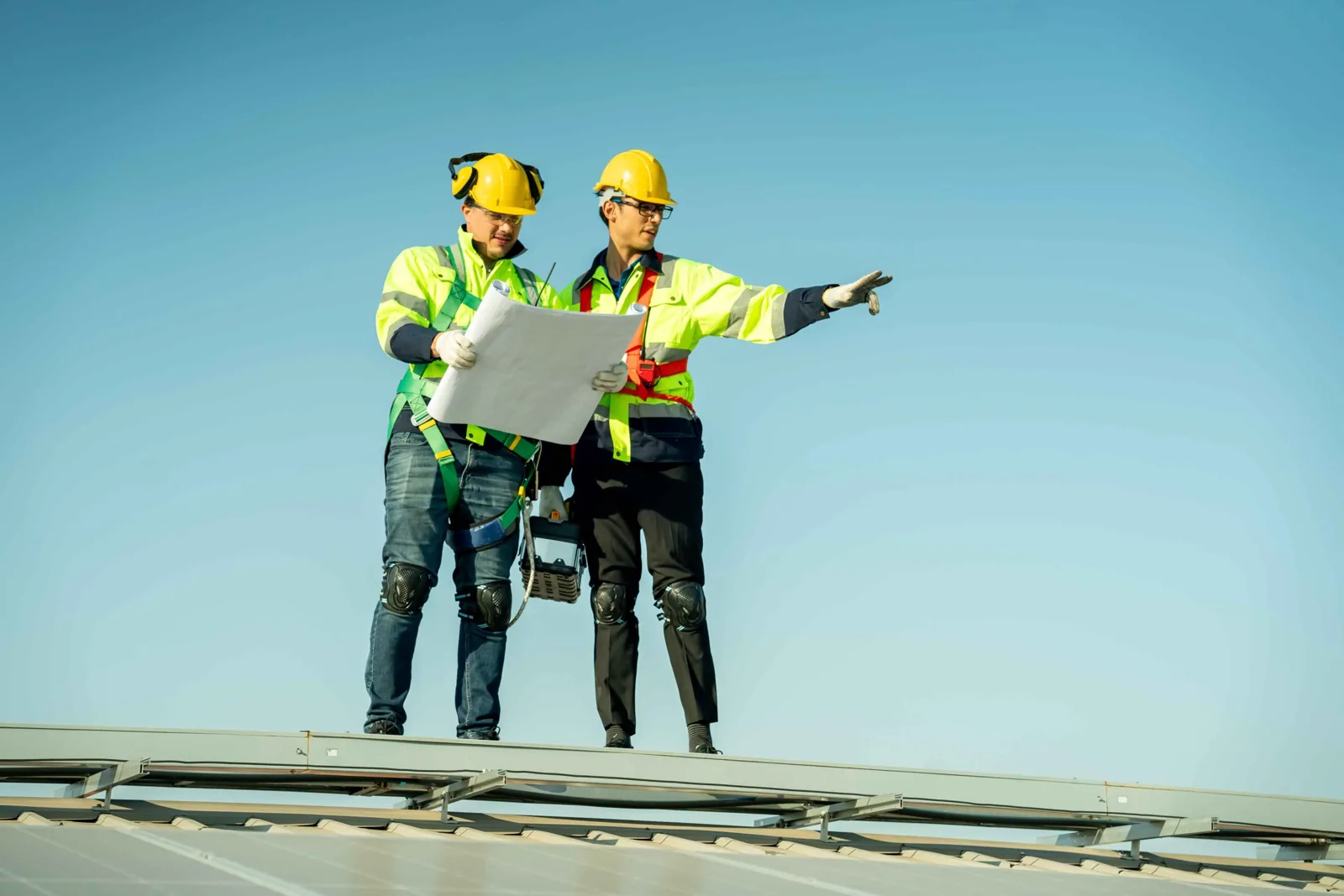
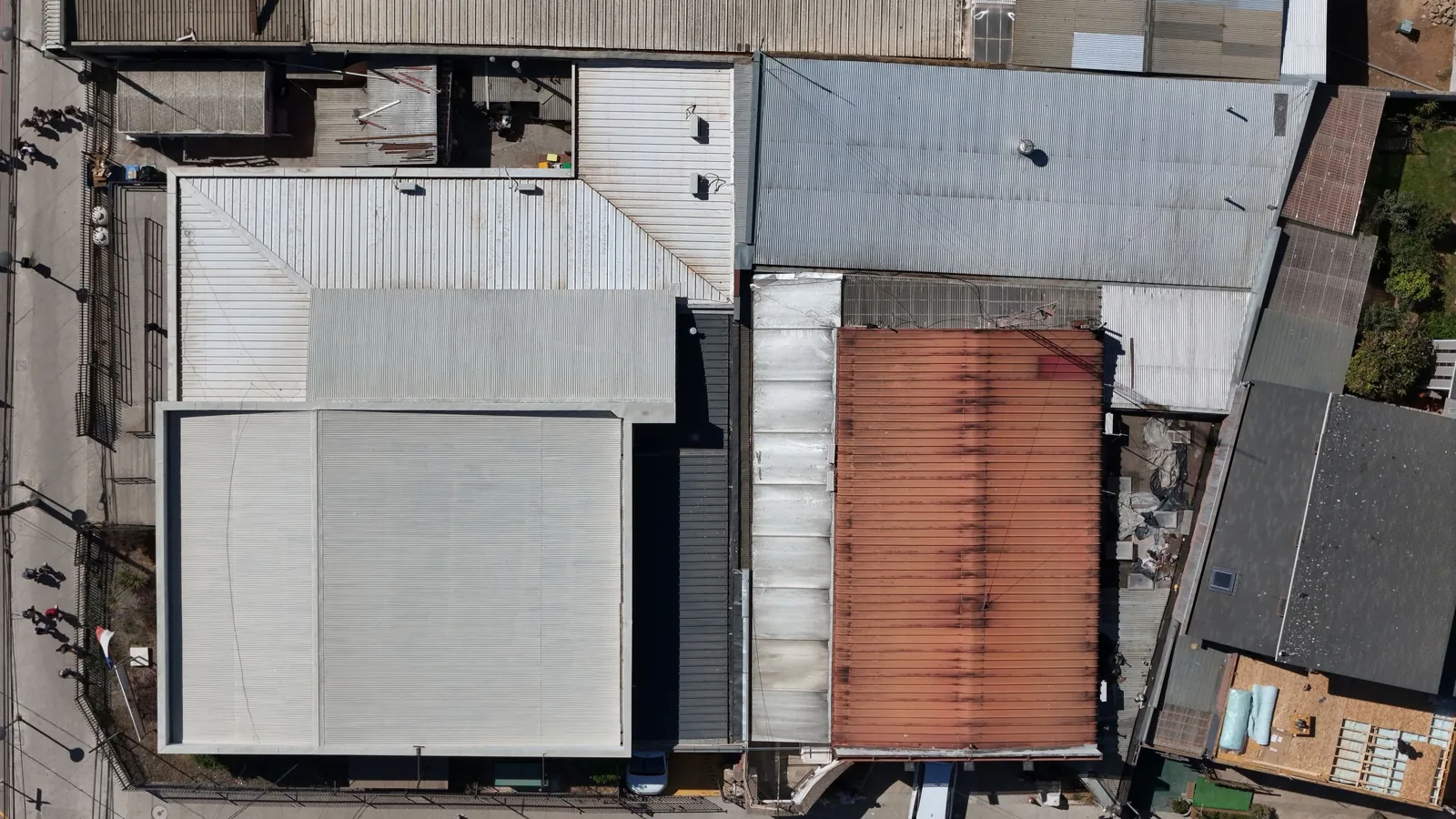
Work planned around the building and its daily operations.