Commercial Roofing in Balch Springs, TX
I-20, I-635, and U.S. 175 converge in Balch Springs. A roof call near those routes still starts at the building: we identify the reported leak, check the roof section above it, and protect the interior area before opening the assembly. The first walk follows seams, edges, drains, and penetrations. We mark the repair limit after confirming where water entered and whether insulation stayed dry.
Balch Springs' transportation network supports a planned industrial and logistics hub, with nearby commercial, office, retail, and industrial areas. That mix makes roof access and operating hours part of a scope, but does not reveal any one property's roof type. A commercial roof inspection with a marked condition record ties the recommendation to the actual assembly.
How Do the Highway Connections Shape a Work Visit?
The I-20, I-635, and U.S. 175 junction gives the city a clear regional transportation context. It does not tell us which gate reaches a roof or where equipment can be staged. We confirm the property address privately with the site contact, then set a delivery path, roof access, and work zone that fit the building's rules. The proposal keeps these operating details separate from the repair itself.
Office, retail, and industrial property improvements may involve different occupant schedules, but the specific site controls the work window. We ask when interior access is acceptable and whether trucks, customers, or equipment use the area below. A localized visit can close before the next operating period. If a longer roof section must be opened, a reroof sequence for an occupied property divides removal into portions that can be secured at the end of the shift.
What Does the Crew Check Before Cutting?
We start with the roof plan and compare it with the visible membrane, panel, or coating. Then we inspect nearby laps, curb flashing, parapets, drains, and edge metal. A probe can identify a loose seam, while a moisture survey can help choose an opening. We record each check by roof section so a later test does not expand beyond the evidence.
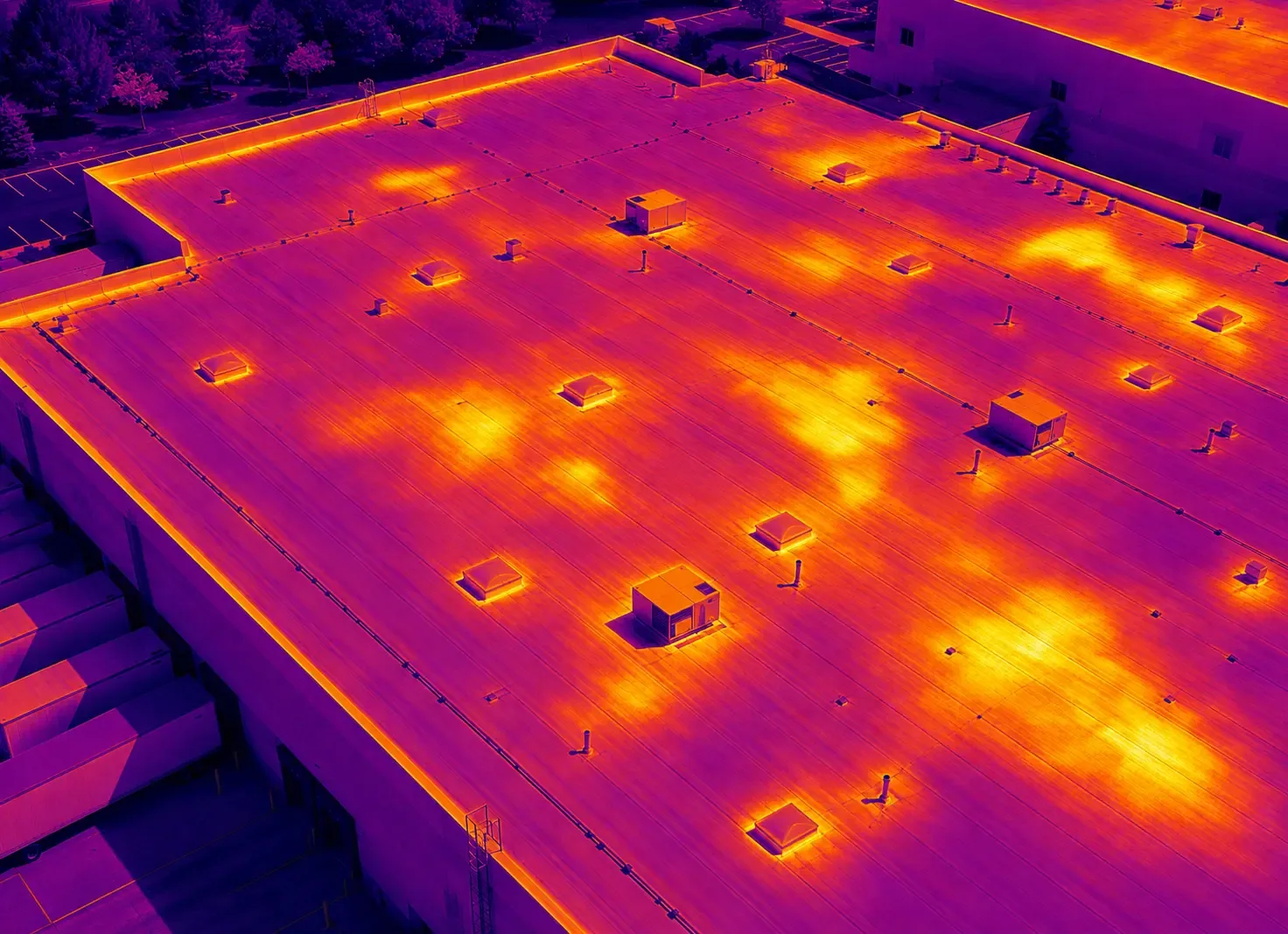
If a ceiling or stock area sits below the suspected entry, the facility contact helps us set protective coverings first. We check fall protection, equipment clearances, and the path for removed material. Photographs show the defect before work and the surrounding conditions that remain. When moisture may have spread under a sheet, an infrared moisture survey can narrow the area to test; an opening confirms the layers and the wet boundary.
Can a Localized Repair Solve the Leak?
A local repair can fit an isolated seam, puncture, or flashing failure when the adjacent membrane is sound and the assembly is dry. We prepare the surface, install compatible material, and inspect the finished weld or transition. The written scope marks the repair edge and the details checked around it. A temporary cover controls active water while the permanent method waits for a suitable work window.
When wet insulation extends past the first opening, removal must reach dry material. Repeated failures, loose attachment, or broad moisture may support section replacement instead of another patch. We also review drainage and edge conditions so a new field sheet does not leave a failed termination in place. A commercial replacement option with clear tear-off limits separates confirmed work from anything concealed until the roof is opened.
What Does the Summer Heat Change?
Dallas-Fort Worth has humid summer weather, with typical July and August daytime conditions in the 90s and frequent highs at or above 100 degrees. We check the exposed roof and follow the material's application instructions before coating, welding, or handling membrane. A hot work area can change the safe pace and the section that can be closed in one shift. Regional climate sets inspection context, but conditions on this Balch Springs roof decide whether work can begin.
The same schedule needs room for changing conditions. We keep material secured, stage temporary protection, and do not leave an opened area without its planned closeout. If a roof leak is active outside the permanent repair window, emergency water-control work can protect the interior while inspection confirms the lasting scope. We record which action stabilized the roof and which repair remains to be completed.
Which Details Affect Cost and Completion Time?
Cost and schedule change with removal depth, wet insulation, deck repairs, roof height, staging, equipment access, and the number of curb or edge transitions. An isolated puncture uses a different sequence than a broad area of saturated material. We list confirmed quantities first and identify what requires a test opening. If hidden deck damage appears after removal, the owner can see why the scope changes.
The area's planned logistics growth and commercial, office, retail, and industrial improvements make coordination with the actual operator important. Those uses make coordination with the actual operator important. We confirm hours, equipment movement, and any required escort before setting a start. The contact can flag a shift change or yard movement that closes the preferred access route. A roof visit in the Elam Road corridor follows the site's own access and field findings, not an assumption about the surrounding area.
What Should Be Kept for the Next Roof Visit?
Keep a marked roof plan with photos, materials installed, test locations, and the area left outside the repair. If the assembly was opened, the record should show where wet insulation ended and dry layers began. We note whether each curb, seam, drain, or edge was repaired, observed, or excluded. That prevents a future inspection from treating a general patch note as a complete roof history.
Before demobilizing, we test the finished connection, clear debris from the work area, and verify drainage remains open. The closeout also notes temporary protection and follow-up access if weather interrupted work. A Downtown Rowlett roof inspection is a separate property visit, while Balch Springs work stays tied to this building's records. Send the roof plan, leak timeline, interior photographs, operating schedule, and safe access window to set the first check.
Commercial Roofing Questions
Do the highway routes determine where a crew can stage?
They describe regional connections, not access at an individual property. We verify the gate, roof route, delivery path, and equipment location with the site contact. That keeps a material drop and work zone within the building's approved operating rules.
Can you inspect a roof before a logistics building opens?
We can schedule a visit around the property's access and interior rules. The inspection checks visible seams, flashing, drainage, and edges, then records any area that needs a closer test. The owner receives a condition record before normal operations begin.
When does wet insulation require more than a patch?
If test openings find moisture beyond the failed detail, removal should continue to a dry, stable boundary. We map that edge and compare it with the roof section and other symptoms. The scope then shows the confirmed repair and any larger area that remains to be investigated.
Can roofing work continue during regular business hours?
Often, when the work zone, interior protection, and delivery schedule are agreed in advance. The crew keeps openings within a section it can secure, and the facility contact knows what remains protected before the crew leaves. Noisy or obstructive steps can be placed in a narrower window.
What should the estimate include?
It should identify the roof area, layers to remove, rebuilt transitions, access assumptions, and any concealed conditions that could change the work. We separate emergency protection from permanent correction and show a repair alternative when the assembly supports one. That lets the owner compare scope rather than a bare total.
Set a Balch Springs Roof Inspection
Share the roof plan, dates of the leak, interior photos, site schedule, and roof access instructions. We will inspect the assembly, record the confirmed conditions, and define a repair limit before preparing the permanent scope.
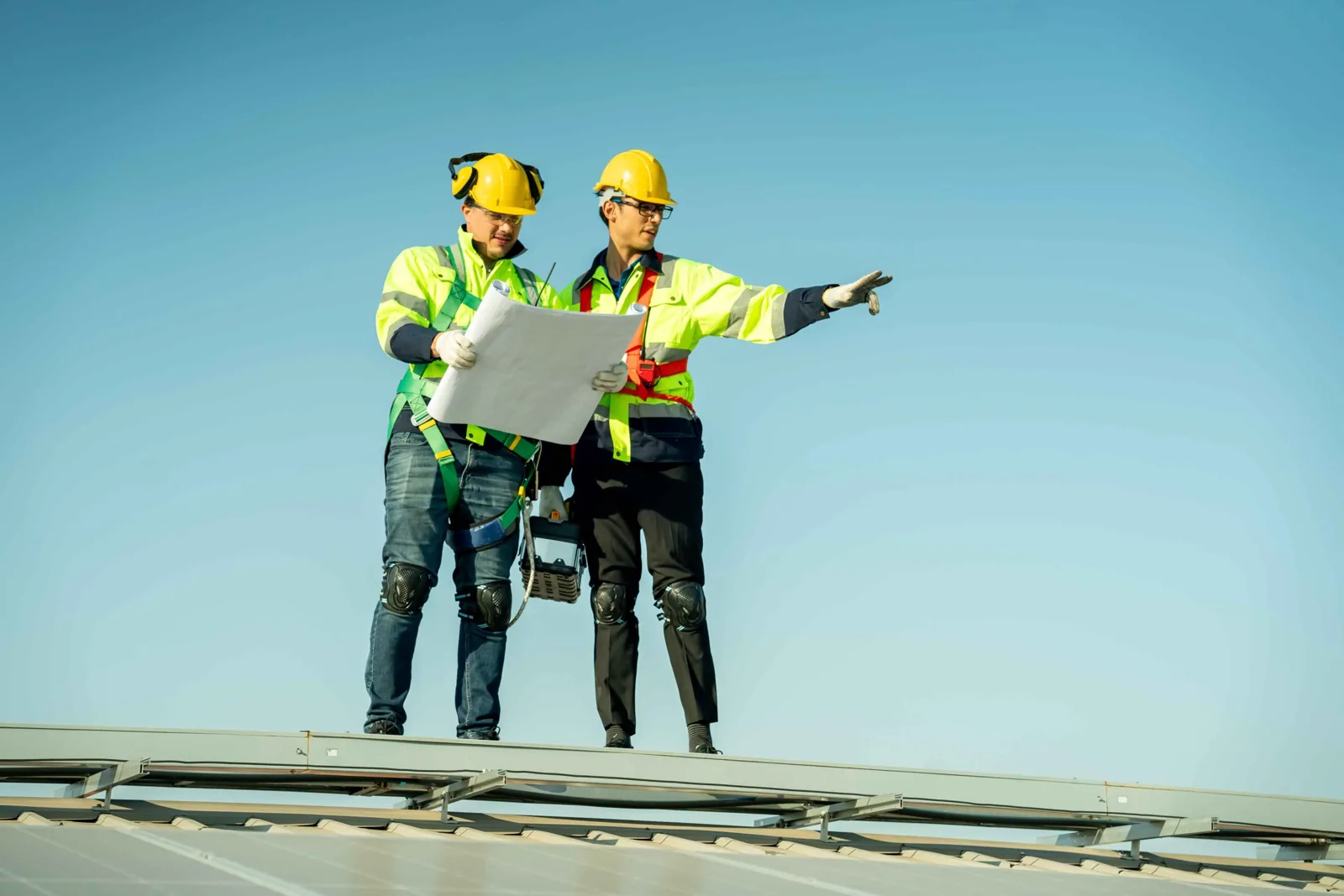
Roof conditions recorded with photos and written findings.
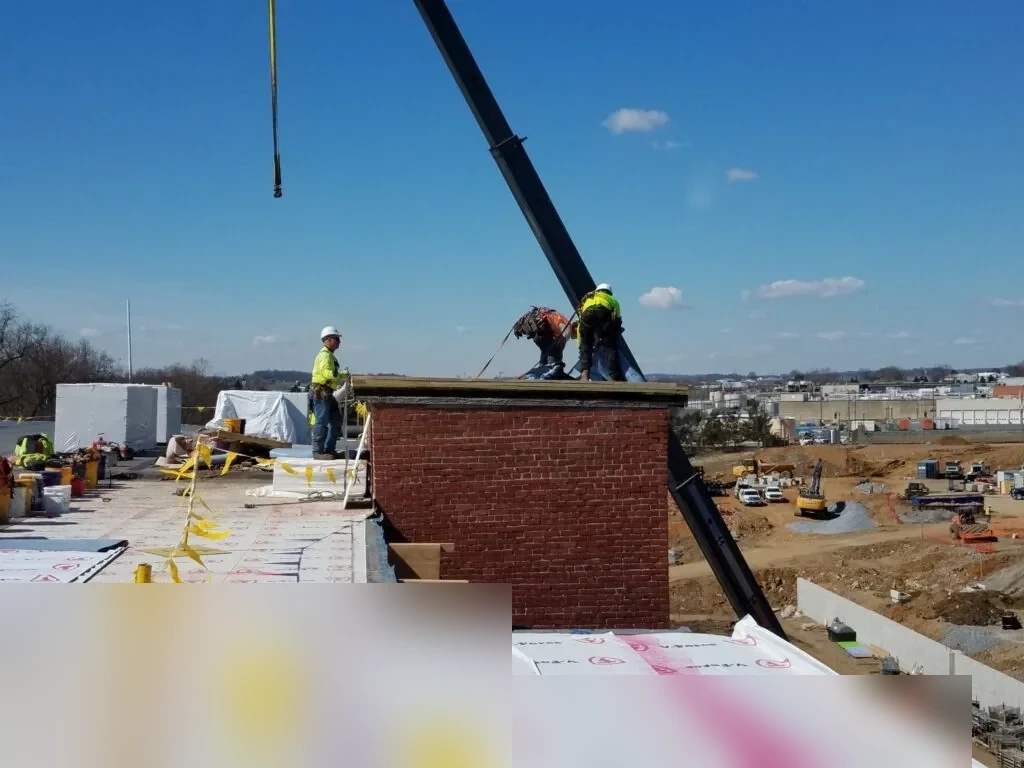
Work planned around the building and its daily operations.