
Commercial Roofing in Garland, TX
A roof decision in Garland starts with the part of the building that is failing, the people who use it, and the roof section above it. We trace a reported leak from the interior mark toward seams, drains, curbs, and transitions instead of treating a ceiling stain as the repair boundary. Commercial reinvestment is visible along Garland's I-30 corridor, the South Garland Avenue connection to I-635, and the Forest-Jupiter area. We confirm the property's address, access rules, assembly, and affected space before recommending work.
Commercial, office, and civic properties can present different roof details and work windows. We do not infer the actual tenant or roof system from a district label. The facility contact helps identify occupied areas, sensitive equipment, delivery routes, and the safest roof entrance. For an IH-635 commercial roof visit or a Forest-Jupiter-Walnut district inspection, the same rule applies: inspect the actual assembly before pricing its repair.
What Should the First Roof Visit Confirm at a Garland Property?
Before a crew steps onto the roof, we confirm how the property authorizes access, whether a ladder or hatch is available, and which areas below need protection. The first walk follows the reported symptom. We log when the water appeared, which room or work area was affected, whether the leak changes with wind direction, and whether earlier repairs touched the same section. That timeline helps prioritize inspection, but it does not identify a cause by itself.
On the roof, we look at the system in connected pieces. The field membrane or panels meet penetrations, roof edges, walls, drains, and equipment curbs. A split at one detail can send water along a deck or insulation layer before it enters the room. We compare the interior location with the roof geometry, then photograph the most plausible paths. If there is no safe access to a section or the assembly is not clear, we say so and define what would be needed to confirm it. A commercial roof inspection can document observations without presuming that one visit establishes the whole roof's remaining life.
Records are useful when they match the field. We review available roof plans, prior service notes, warranty documents, and any history of coating or recover work. Where paperwork conflicts with visible construction, we record the discrepancy rather than select a material from memory. The property manager can then decide whether a limited opening, moisture survey, or follow-up review is appropriate.
How Should Heat and Storm Findings Shape the Scope?
In July and August, the Dallas-Fort Worth area is hot and humid; afternoon readings regularly sit in the 90s, and triple-digit heat is also common. On a Garland roof, we check sealant, coating edges, laps, and details for signs of stress. It does not prove that a particular membrane has failed or that a repair is due.
Spring brings the most active thunderstorm period for the Metroplex. Large hail, powerful gusts, flooding, and tornadoes recur across the region, but their effects vary and no single location sees every hazard annually. After a property reports storm impact, we inspect the identified section for visible openings, displaced edge metal, damaged flashing, debris, and signs of water entry. We separate visible conditions from areas that require testing. A hail impact review or wind damage inspection can focus that visit on the reported event.
After heavy rain, we look at the path toward drains and scuppers, the condition around each outlet, and any area where standing water remains after nearby surfaces have cleared. A blocked opening, deflected deck, compressed insulation, or poorly set overflow can create different remedies. The surface must be suitable, the assembly must be understood, and the proposed work must address the source of the condition.
How Can Work Fit an Operating Property?
The property contact identifies business hours, deliveries, public entries, tenant schedules, and any work area that cannot close. We translate that information into a roof access window, a staging location, and ground protection. If a lift or material path would cross a customer entrance or loading route, we discuss another route or time before dispatch.
We mark noisy work, debris handling, and any temporary restriction around doors or rooftop equipment. Those decisions come from the facility, not from assumptions about Garland's business mix.
Temporary leak control and permanent restoration are separate scopes. When water is entering, we first assess safe ways to limit exposure and state what that measure can and cannot accomplish. Permanent work requires a dry enough surface, compatible materials, a closure plan for any opening, and suitable weather. If hidden deck damage appears after removal, the crew pauses at the agreed boundary, photographs the condition, and requests direction before adding work. The owner receives an updated scope with quantities and the next decision point. A commercial emergency response can address an active leak while the lasting repair is evaluated.
When Is a Local Repair Enough?
A repair is a reasonable option when sound material surrounds the failure and the detail can be restored without leaving nearby defects exposed. We prepare the actual substrate, correct the opening, and inspect adjoining seams or flashing that share the same water path. Each roof system requires its own method. Metal panels may need attention at fasteners or laps; a membrane roof may call for seam and penetration work; a coated surface depends on adhesion and dry conditions. Material choice follows the installed assembly, not the property's city or use.
If the same areas leak repeatedly, moisture extends beyond the visible opening, or multiple sections are deteriorated, we compare a limited repair with broader restoration or replacement. The comparison states included areas, exclusions, testing needs, and likely disruption. A replacement evaluation can help the owner understand the cost and scheduling consequences of a larger project. It should not turn an isolated leak into an automatic replacement recommendation.
I-30 serves as a commercial gateway and redevelopment focus in Garland; South Garland Avenue connects toward I-635. We base the decision on the roof walk, available records, test results, and the owner's tolerance for repair risk. A commercial roof repair scope should say what the work resolves and what future inspection remains advisable.
What Should the Owner Receive After the Visit?
A useful handoff gives the facility team a map from the reported issue to the work performed. We identify the building area, roof section, observed condition, material, preparation, and any limits on access or testing. Label photographs by roof zone and nearby detail. If an area was not opened or could not be reached, we describe that boundary in plain terms. The report separates what was observed from what remains uncertain.
For a multi-section roof, the owner can group findings by zone and priority. We note whether a temporary measure remains in place and who should confirm its removal or replacement. A roof condition report with photos can keep those records organized between visits.
To schedule work in Garland, send the property address, roof plan if available, leak timeline, affected interior area, and preferred access period. Include any delivery, public-entry, equipment, or safety requirement the crew needs to know before arrival. We will confirm the appointment, inspect the reported section, and return a defined scope based on the assembly we find.
Commercial Roofing Questions
Can you identify a leak from a ceiling stain?
A ceiling mark identifies the interior symptom, not necessarily the roof opening. We compare its position with the roof layout and inspect connected details; testing may be needed before repair.
Do all Garland commercial roofs need coating?
No. Coating fits only a compatible, sound, clean, dry surface. We inspect the assembly and explain repair or replacement alternatives when those conditions are absent.
Can work be scheduled around loading or customer hours?
Yes. The property contact sets the roof entrance, staging route, hours, and areas that must remain clear. We confirm these constraints before scheduling a crew or lift.
What changes a repair price after inspection?
Measured area, roof height, material compatibility, equipment access, wet insulation, deck condition, and timing affect scope. We document concealed conditions before changing quantities.
What should I provide before requesting a visit?
Share the address, affected room, leak timing, roof plan, prior repair notes, and access window. Mention equipment or entrances that need protection.
Plan a roof visit around the building
Send the address, reported symptom, and access window. We will inspect the relevant roof section and outline the next practical step.
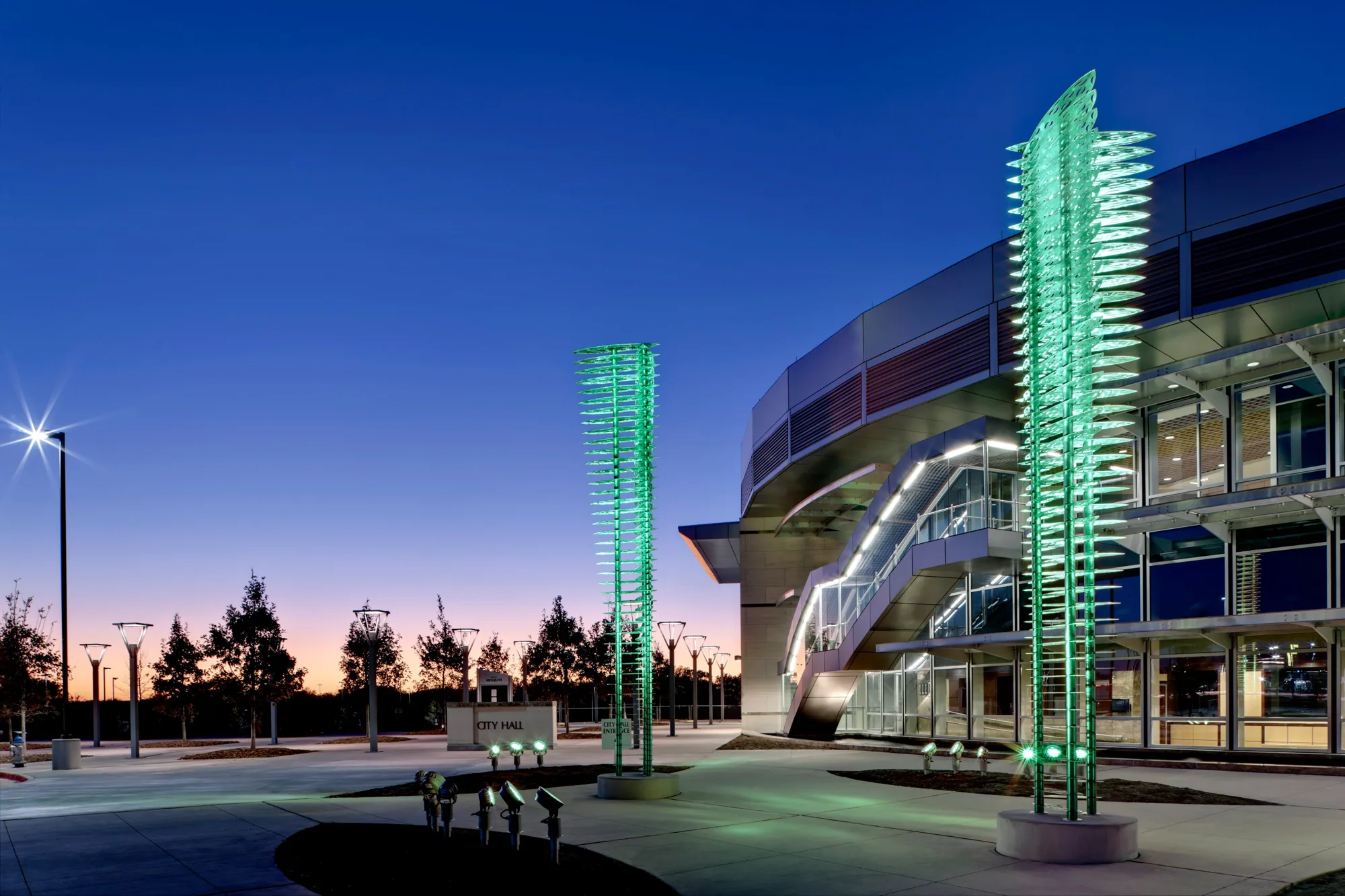
Scope, access and schedule reviewed before work begins.