
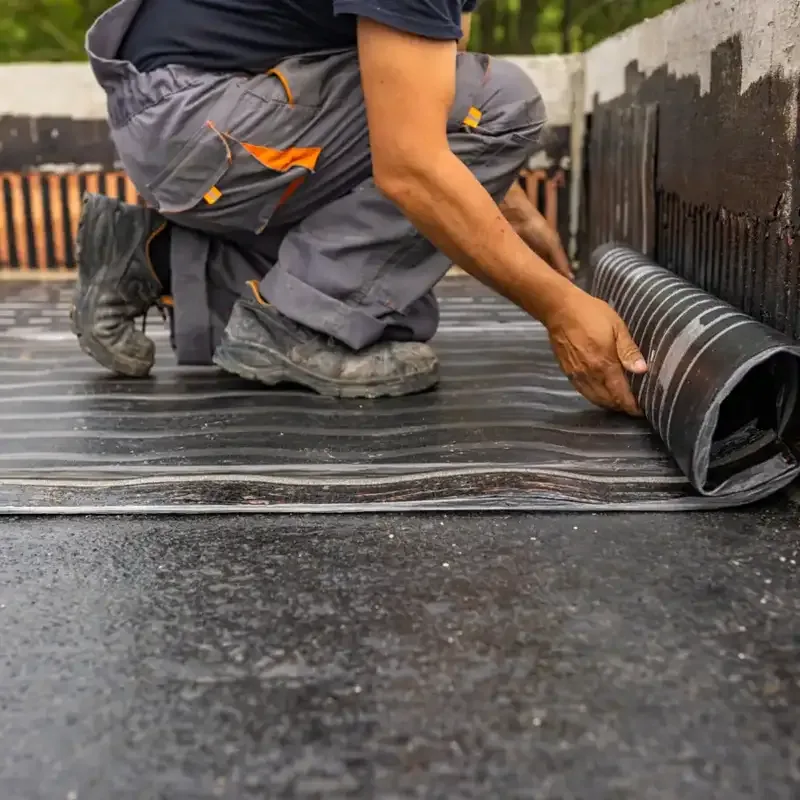
GAF Commercial Roofing Systems in Mesquite, TX
A GAF system needs a roof plan that matches the product, attachment, insulation, and edge details. We inspect the existing assembly before recommending a new membrane or repair. We check seams, drains, curbs, edges, and insulation. We confirm the roof section and repair limit before ordering materials.
Mesquite properties range from retail uses around the Town East district to industrial buildings near the Skyline Logistics Hub. Loading hours, rooftop equipment, and the route to the work area can affect how a GAF installation is sequenced. Our commercial roof inspection records the current assembly and leak history. The findings help separate a local repair from replacement, and keep temporary water control moving if a section is already open.
Which GAF Membrane Fits the Roof Conditions?
GAF commercial offerings include thermoplastic single-ply membranes such as TPO and PVC, with smooth and fleece-backed options. TPO can suit many general commercial roofs when the deck, attachment, and details support the specified assembly. PVC may be considered where the exposure or project specification calls for that membrane type. We compare the proposed system with the roof use, rooftop equipment, drainage, and anticipated service access instead of selecting by color or product name alone.
The existing roof can change the answer. A membrane over a sound, dry assembly may allow a recover design; wet insulation, loose attachment, or a deteriorated deck can require selective removal or a full tear-off. We map test cuts and separate confirmed wet areas from sections that were not opened. If TPO is being considered, the TPO roof system needs compatible seams and flashing details. A PVC proposal should be evaluated as its own assembly, not as a direct substitute for every other single-ply sheet.
What Must Be Right at Seams and Curbs?
Thermoplastic seams depend on clean surfaces and controlled hot-air welding. We check the overlap, make a test weld where appropriate, and probe the finished seam after it cools. A poor bond can admit water even when the sheet looks continuous. At curbs, walls, and pipe penetrations, the flashing must turn up cleanly and terminate where the detail requires. A new field membrane cannot correct loose metal or an unstable curb by itself.
We trace the perimeter too. Corners, roof edges, parapets, and transitions take wind and water differently from the center of the field. The attachment pattern and edge detail should match the roof design and project requirements. If wind has loosened edge metal, the crew records that condition separately from membrane replacement. A perimeter metal repair can be coordinated with the membrane work so the new edge closes against a stable termination. The scope names what is being replaced and what remains.
How Does Attachment Change the Installation?
A GAF single-ply assembly can use mechanical attachment or adhesive, depending on the approved design and substrate. Mechanical attachment places fasteners and plates into the deck through insulation or at membrane overlaps. Deck condition, pullout results, board layout, and perimeter zones affect the pattern. An adhered assembly relies on specified adhesive coverage and surface preparation. We do not assume that the existing roof can support a new attachment method without checking the layers and deck.
Mesquite's hot, humid summers affect safe working hours and material handling. Adhesives and coatings have installation requirements that still govern the schedule. We stage rolls and insulation away from drains, protect open sections, and close each work area before the crew leaves. If the project involves removal, the replacement sequence should identify deck repairs and temporary dry-in.
Can a GAF Recover Go Over the Existing Roof?
A recover is a system decision. We review existing layers, attachment, drainage, moisture, and deck condition first. Test cuts help show whether insulation has retained water. Added height can affect curbs, doors, drains, and edge metal, so those transitions need a detail review. If the structure or assembly cannot accept another layer, removal may be the safer path to a repairable roof.
A compatible fleece-backed membrane may be part of a recover design, but the substrate and fire, wind, and code requirements still matter. The owner should receive a scope that distinguishes work permitted by the existing conditions from items that require a design professional or additional testing. The recover and overlay review can document the viable area and identify exclusions. For a second scope comparison, a Carlisle system review can use the same roof records. A PVC system comparison gives another design reference, but product choice still turns on field conditions.
What Should a Mesquite Roof Check After Severe Weather?
Mesquite roofs can see spring hail, strong wind, and heavy rain, but regional alerts do not show whether a particular assembly was struck. We compare the owner's leak timeline with punctures, displaced edge metal, open seams, blocked outlets, and interior staining. Photos connect each observation to a roof section. On a property near Town East and Skyline, the inspection plan also records tenant paths and service access before a crew stages materials.
Hot-weather work needs its own controls. Summer afternoons can expose crews and adhesives to demanding conditions, so we plan work windows, protect rolls, and follow the membrane maker's temperature and application limits. A impact-damage assessment separates new openings from older wear when storm evidence is present. The Town East Retail and Restaurant Area is a broad commercial district; the property's own roof record still determines the repair boundary.
What Belongs in the Closeout Record?
The closeout should name the membrane, attachment method, repaired section, flashing details, and any wet material removed. Photos before and after work show the transition and repair boundary. We list inaccessible areas and drains that remain outside scope. That detail matters if a new leak appears later. The next inspection can start with a known section instead of repeating the first roof walk.
Warranty documents, product labels, invoices, and maintenance records should be kept together with the final roof plan. Coverage depends on the exact assembly and project terms, so we do not promise a term before the system requirements are known.
Commercial Roofing Questions
Can a GAF membrane be installed over an older roof?
The existing layers decide whether a recover is viable. We inspect attachment, moisture, drainage, deck condition, and how added height would meet curbs and edges. Test cuts can reveal wet insulation that is not visible from above. If the roof cannot support another layer or the assembly has broad failure, the scope may call for removal. The proposal states the condition and work limit.
How do you compare GAF TPO and PVC for a commercial building?
We compare the exposure, roof use, project specifications, substrate, seam details, and service plan. Each membrane has its own accessories and installation requirements. A chemical or grease exposure should be identified before material selection, and equipment areas need details that allow future maintenance. The inspection report records the assembly and any constraints. The owner can then compare a system proposal with other options on equal scope and verified conditions.
What causes a new single-ply seam to leak?
A seam can fail if surfaces are contaminated, welding conditions are inconsistent, or the overlap is not prepared correctly. Movement at a curb or perimeter can also open an adjacent detail. We probe the seam, check the material and weld, and follow the water path into nearby transitions. The repair addresses the confirmed boundary. If insulation or deck below is wet, that removal is listed separately from membrane welding.
Can repair work keep a facility open?
A localized repair can often be scheduled around building activity, but access and interior protection set the workable limit. We map the lift, delivery, and exclusion zones with the property contact, then protect open roof sections before leaving. A larger tear-off may need phasing by elevation or roof section. The written schedule identifies expected noise, access limits, and the temporary dry-in plan for each shift.
What information should I send before a GAF roof inspection?
Roof plans, prior repair records, leak locations, available product documents, and the building's access hours help define the first visit. Include rooftop equipment restrictions and any loading window the crew must avoid. We compare those records with field conditions, take photos, and mark any test openings. The scope separates water control from membrane or deck work.
Set the Roof Review Around the Actual Assembly
Send the roof plan, leak log, product documents, access rules, and operating schedule. We will inspect the membrane, attachment, drainage, and transitions, then set a repair or replacement boundary from the conditions found.

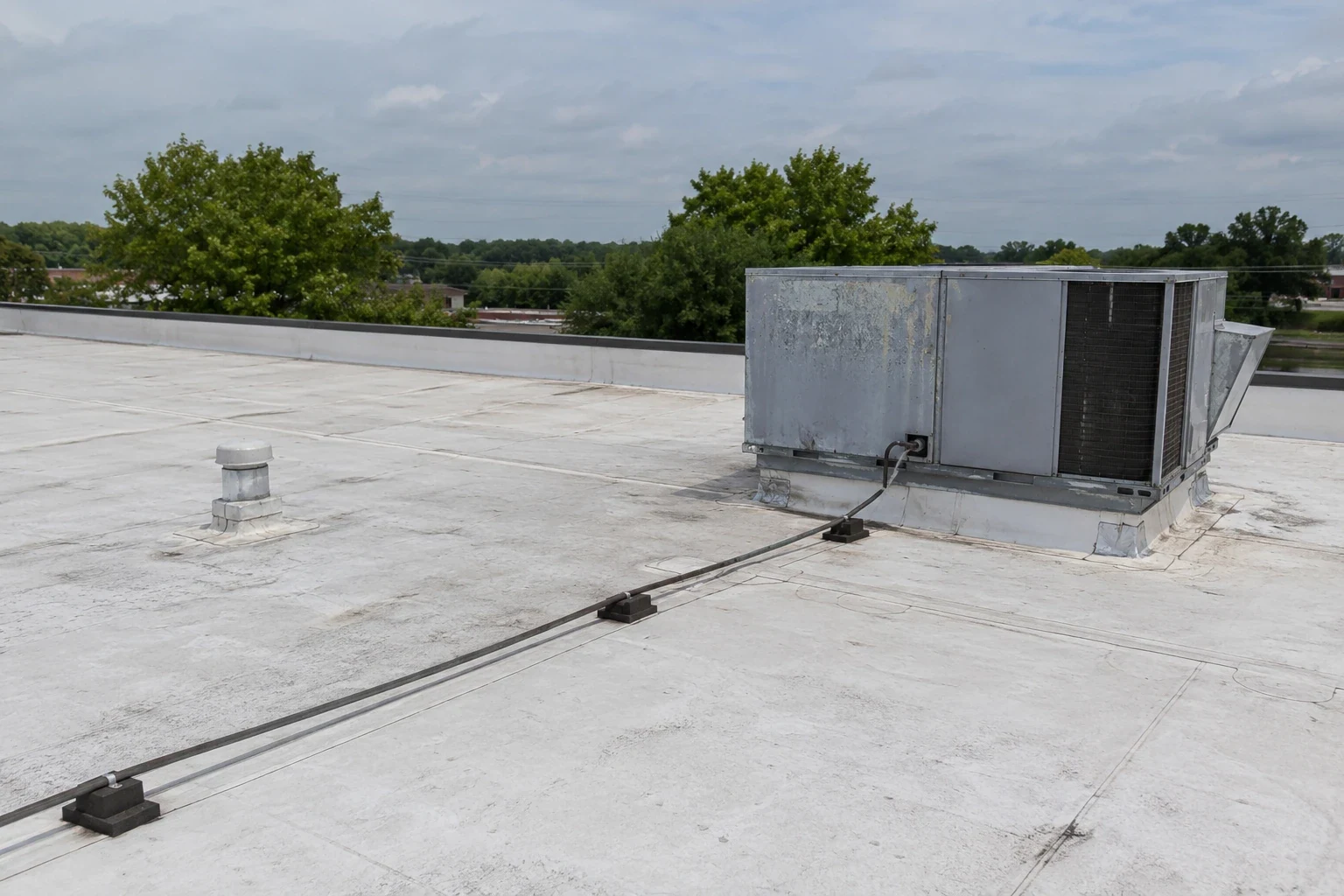
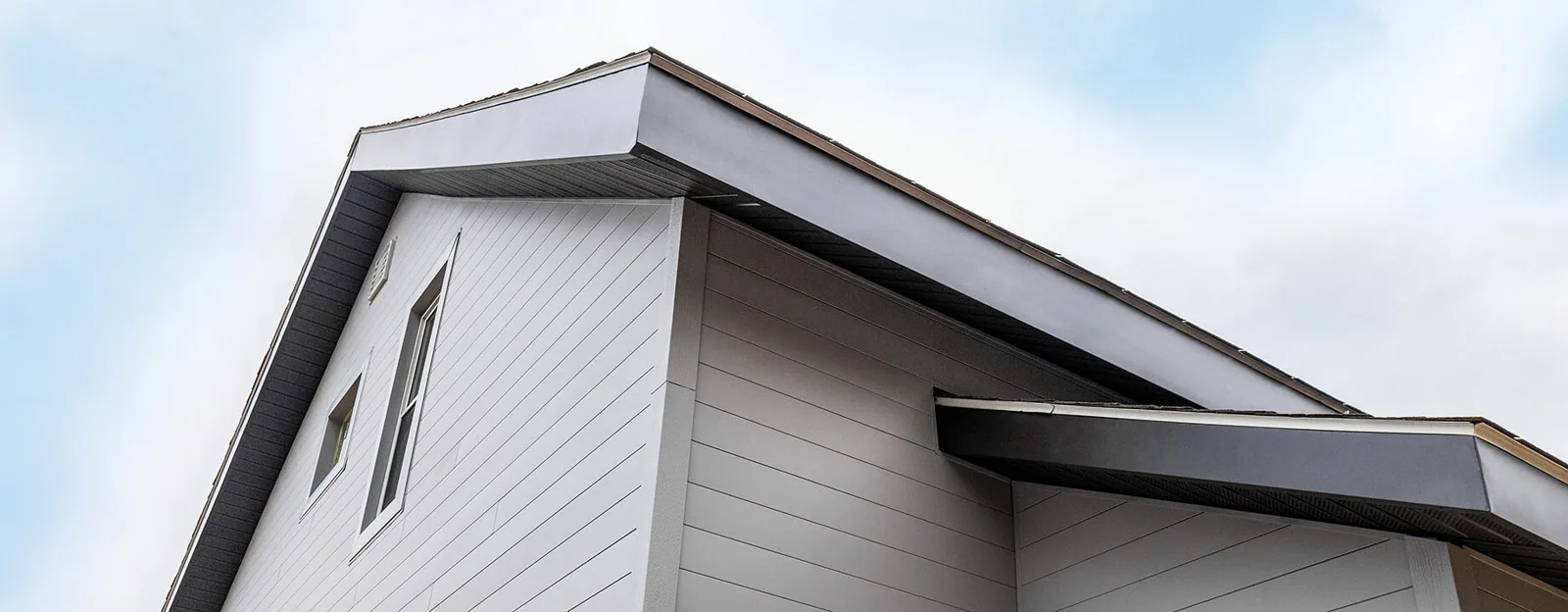
Work planned around the building and its daily operations.