Versico Commercial Roofing in Mesquite, TX
A TPO seam that looks closed from the hatch can still have a narrow gap at a lap or curb corner. We test the weld, follow the water path, and check below before recommending a patch. Versico assemblies can include single-ply membranes, but this building's material and attachment come from its records and field condition. We verify both before choosing a repair.
US 80 and Broad Street serve commercial areas in Forney, where office and industrial uses are part of the land-use mix. Roof work near that corridor needs a loading window, interior protection, and a clear closeout boundary. We keep urgent water control separate from permanent repair. A TPO membrane inspection starts with the installed sheet and its seam details.
What Does the Seam Show?
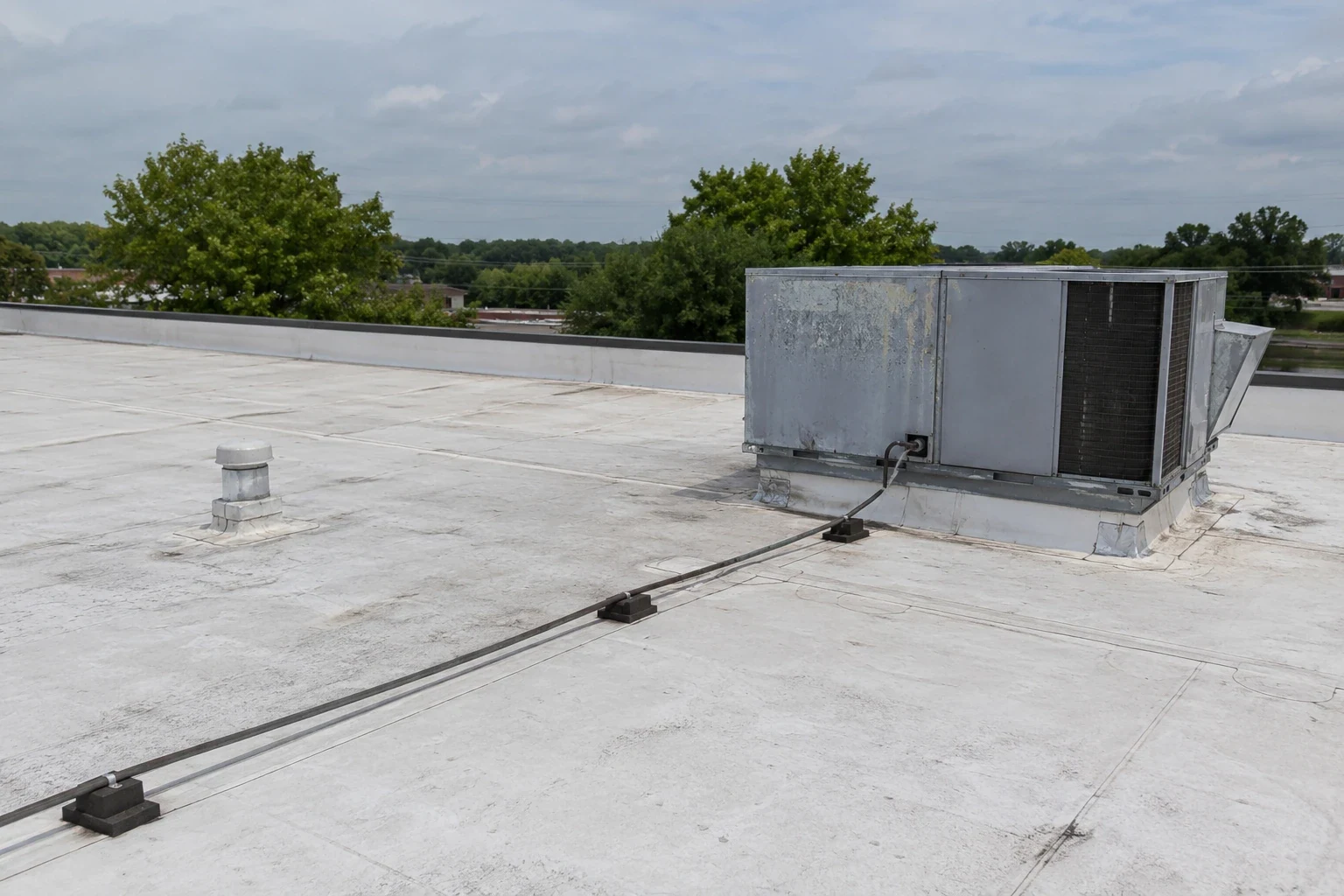
We check for a separated weld, lifting patch edge, or membrane pulled at a curb, drain, or parapet. A probe can locate an open lap but cannot show how far moisture traveled below the sheet. We inspect the field and flashing, then compare findings with the roof plan. The field condition matters more than an old closeout label.
Dirt, moisture, or poor weld conditions can affect a repair. We prepare the membrane, test weld when needed, then probe the cooled edge and document it. If an interior leak continues, we check neighboring details rather than cover the first repair with another layer.
Garland's I-30 catalyst area is a commercial corridor with planned investment at major intersections. Those plans do not prove an existing roof has failed. We inspect actual laps, flashing, attachment, and drainage. The Garland I-30 commercial corridor contains varied building conditions, so scope starts at the roof section.
Where Did the Water Travel?
A ceiling mark can sit away from the seam that opened. We trace uphill from the interior symptom, checking slope, drains, curbs, and penetrations. If insulation is wet, we mark its boundary before closing the membrane. An infrared moisture survey can narrow test locations, but a test opening confirms the assembly below.
Mesquite's Town East-Skyline zone includes the Big Town area and distribution uses. A leak above an operating warehouse can affect inventory or dock lanes even when the opening is small. We set interior protection before moving material. When rain is active, temporary emergency protection can limit exposure while inspection establishes the permanent repair limit.
Spring is Dallas-Fort Worth's peak severe-weather season. Hail, wind, flooding, and tornadoes occur across the region, but no single location experiences each event annually. We inspect reported damage for displaced edge metal, impact marks, punctures, and open transitions. A storm date prompts inspection; it does not prove membrane failure. If hail is reported, a roof check after hail can distinguish impact from an unrelated seam opening.
Patch, Section Repair, or New Roof?
A localized weld repair works when nearby membrane and attachment remain serviceable. Wet insulation or failed flashing may call for a section repair. If problems repeat across the roof, we compare repair with replacement. Each option marks its boundaries and assumptions, including what needs checking once the assembly opens.
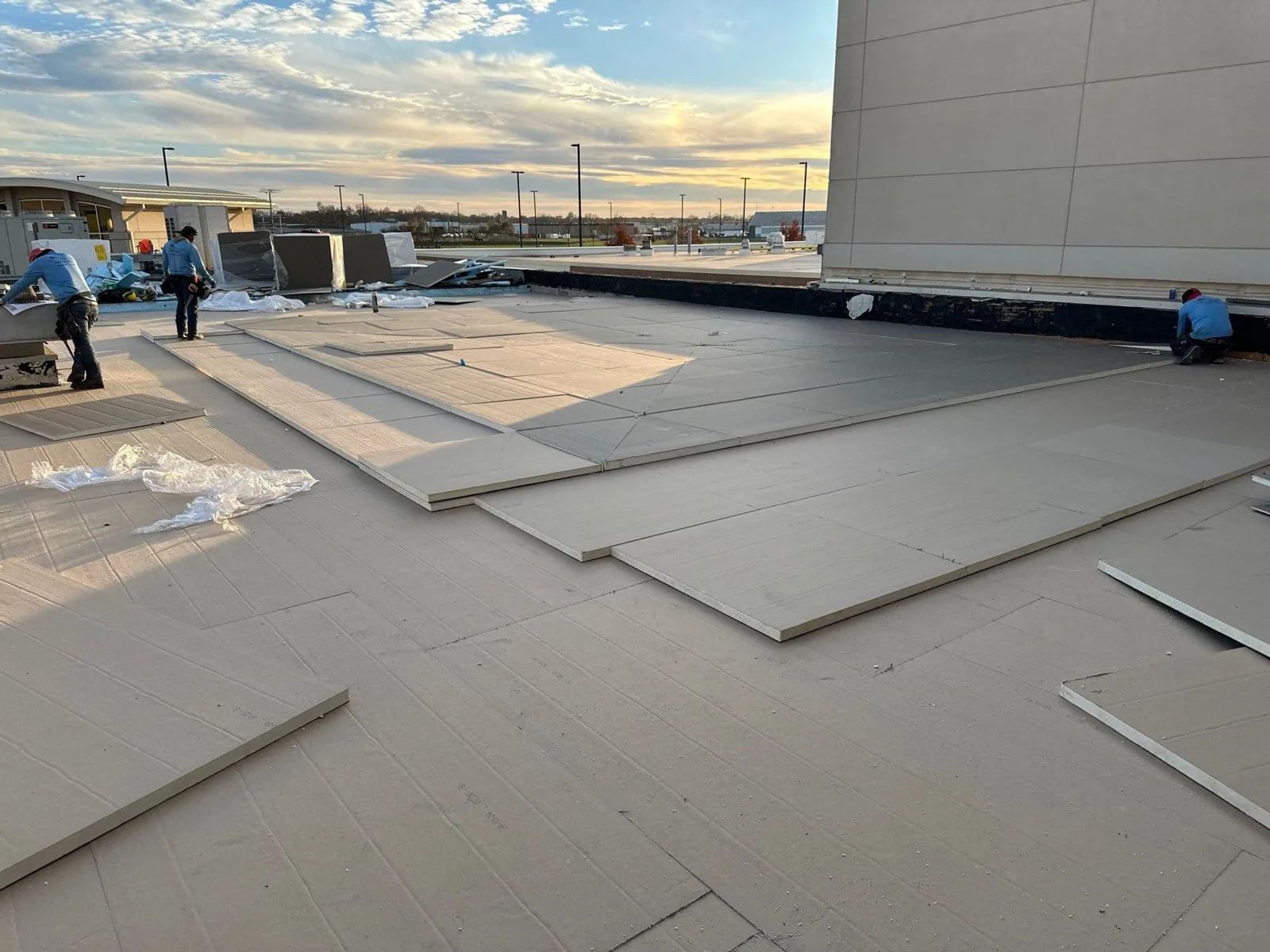
A recover requires checks for moisture, existing layers, drainage, structure, and project rules. Covering wet insulation traps a known condition. A dry, stable assembly may allow an overlay when requirements permit. If removal is needed, we sequence tear-off, deck work, insulation, and new membrane. A replacement plan by roof section accounts for staging and weather windows.
Summer heat across Dallas-Fort Worth affects exposed roof work. July and August daytime temperatures are often in the 90s and may exceed 100 degrees. We follow system instructions and check installation conditions. Regional heat does not establish a Versico roof defect; we inspect seams, insulation, attachment, and details.
How Will the Crew Fit the Work Window?
Before work, we confirm roof access, staging, interior risk, and the loading schedule. The repair zone should not block a dock or equipment route. For a larger section, we plan how much membrane can be removed and closed during one shift. The facility contact gets a work boundary and knows what protection remains if weather stops the crew.
Spring thunderstorms can interrupt exposed work. We monitor conditions, secure materials at day's end, and keep a closeout plan for each section. An urgent visit may stabilize a leak first; permanent welding follows when the surface and repair area are suitable. The record keeps those tasks separate.
A maintenance visit for a single-ply roof can check seams, patches, penetrations, and drains by section. We note what needs repair and what can be watched. A marked condition report gives operations staff a shared record of access limits and completed work.
What Should the Owner Receive?
The closeout identifies the system observed, repair area, materials, weld checks, and conditions outside scope. Photos show the completed detail. A roof plan marks the section, curb, or drain for later comparison. We note any concealed insulation or deck condition that still needs checking.
Membrane families are not interchangeable. A documented Sika Sarnafil PVC assembly has its own material and weld considerations. A Duro-Last PVC roof also needs its system records and repair boundary. The decision comes from the roof in front of the crew.
To prepare a field review, provide the facility roof drawing, the dates and rooms where water appeared, photographs of nearby seams, any prior patch record, and the site access procedure. We can map the observed condition, verify the TPO assembly, and explain which corrective work is justified after inspection.
Commercial Roofing Questions
Can a Versico TPO seam be repaired in one visit?
A bounded opening on a dry, sound sheet may be repaired during one visit after we confirm access and suitable surface conditions. We prepare the membrane, complete a compatible weld, and check the cooled edge. If water has reached insulation or the curb detail has separated, the repair may need material removal and a wider work window.
What if the ceiling leak is not below the roof seam?
An interior mark is a clue, not necessarily the point where water crossed the roof. We compare the stain with the roof layout, then inspect details upslope and note any paths along the assembly. Selective openings can distinguish a wet layer from a dry one. We draw the repair perimeter only after those observations agree on where the membrane entry and affected material begin and end.
Can we install a new Versico membrane over the existing roof?
A recover is possible only when existing layers, moisture, attachment, drainage, structure, and project requirements support it. We inspect those conditions and identify any areas that must be removed first. If wet insulation or loose material remains, covering it is not the repair. The written scope separates a recover option from tear-off and replacement.
How do you keep a repair clear of dock operations?
We confirm dock movements, roof access, material drop, and the interior risk area before setting the crew window. Work is divided into sections that can close before dispatch resumes or weather changes. If a delivery route has a fixed loading period, we coordinate staging around it and keep the facility contact informed of the day's boundary.
What records are useful after the membrane work?
Keep the marked roof plan, photos, system identification, repair materials, and any excluded area. Note where wet insulation was found and whether the crew opened the assembly. Those details help the next maintenance visit distinguish a new leak from movement at a repaired seam or a separate roof detail.
Trace the Seam and Set the Work Window
For a Versico roof review, provide the drawing set, dated leak observations, interior and roof photographs, and a record of earlier work. Include the facility's access procedure and the crew hours its operations can accommodate. Our inspection will document the membrane condition and identify a repair scope whose limits are supported by field observations.
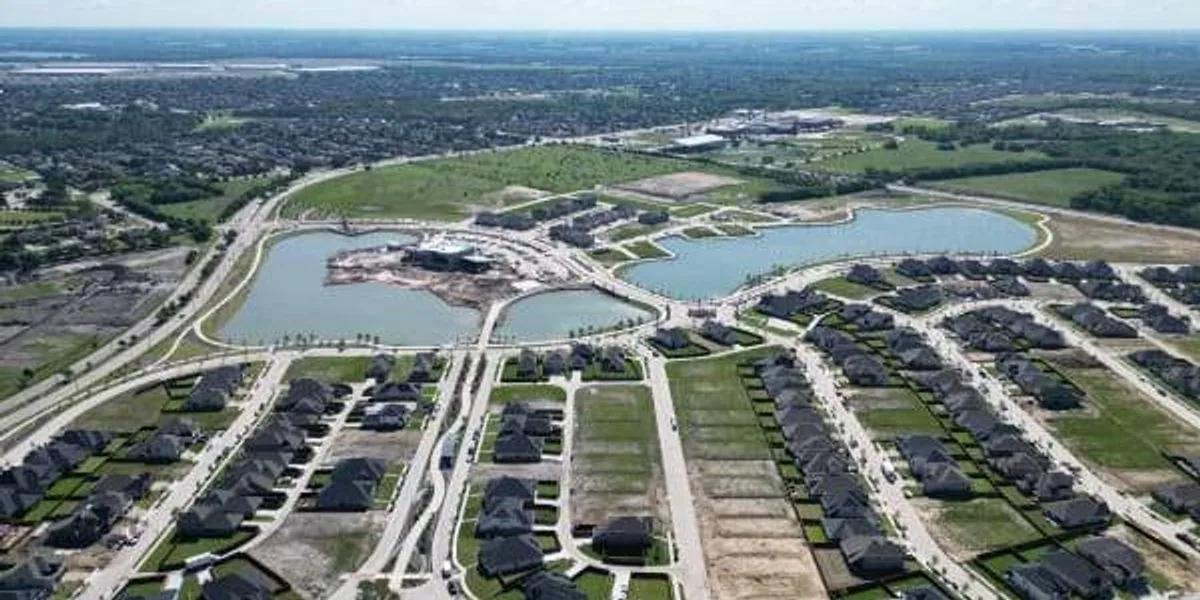
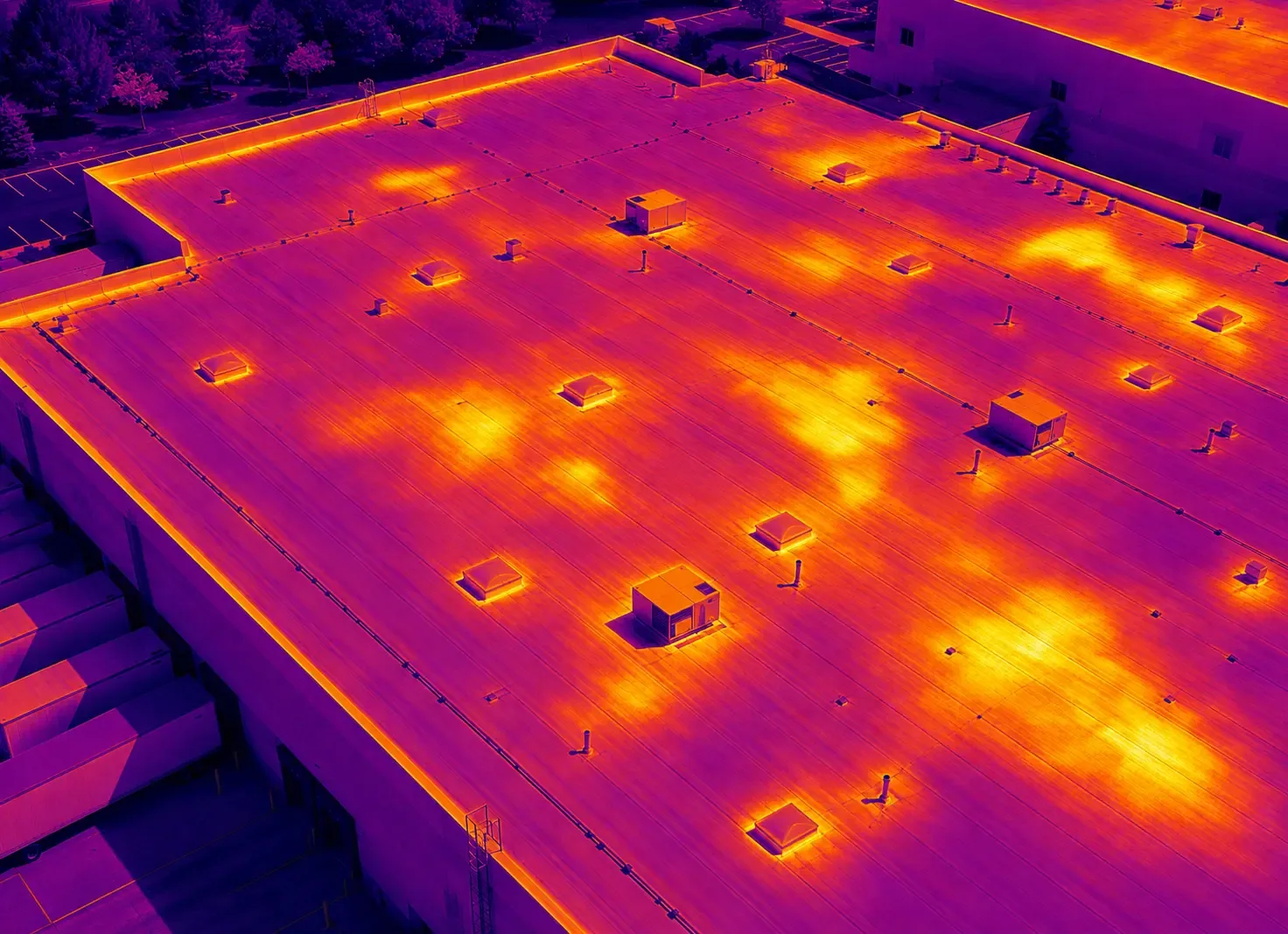
Work planned around the building and its daily operations.