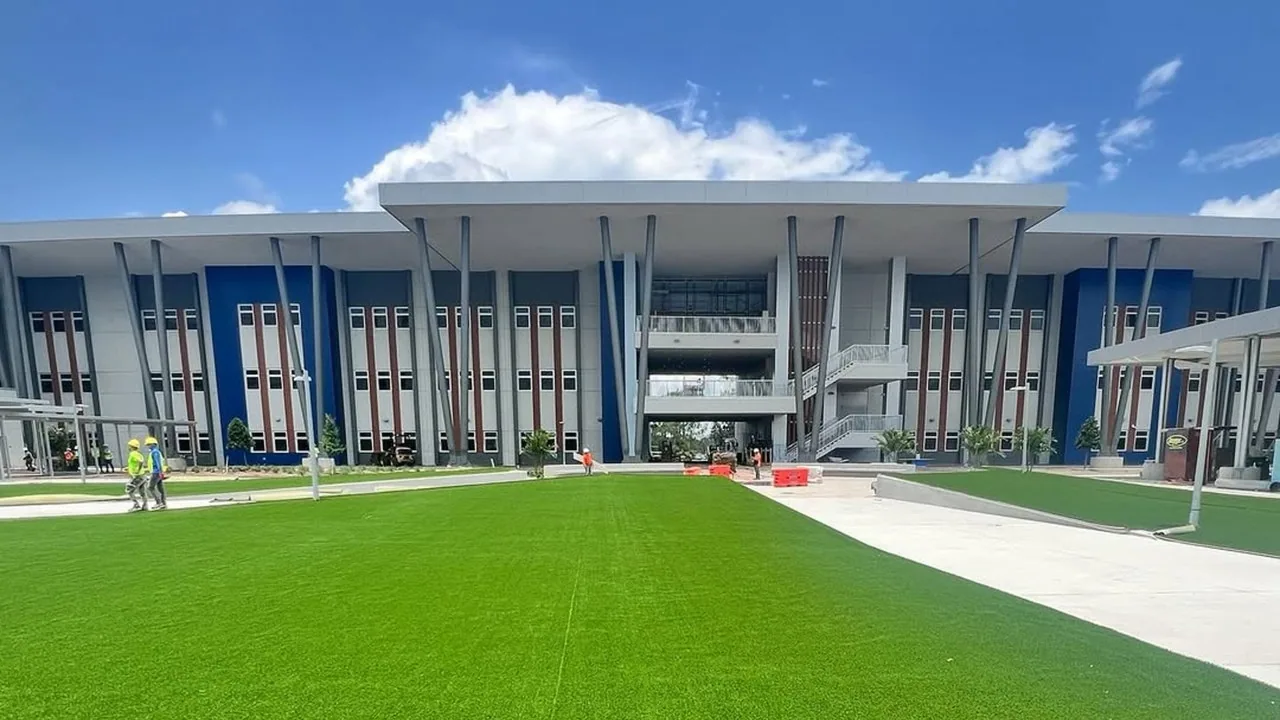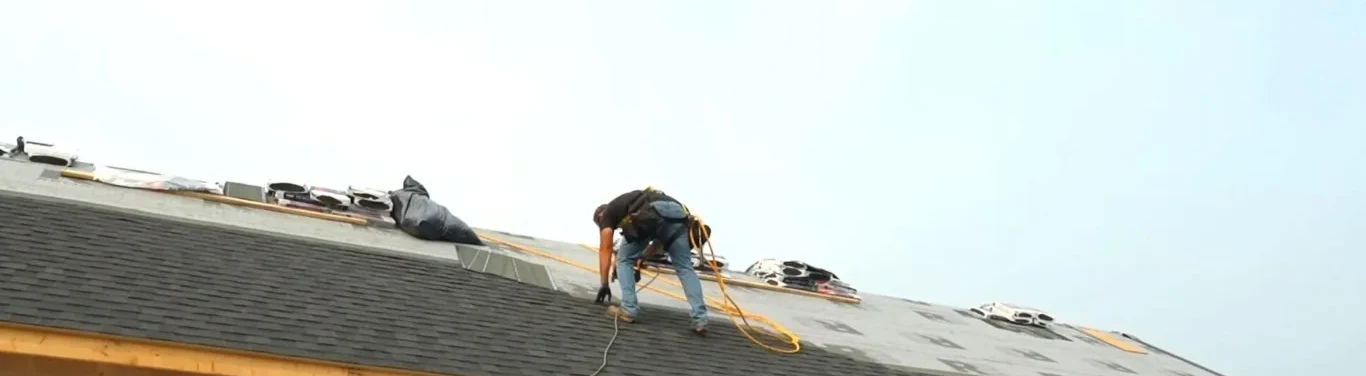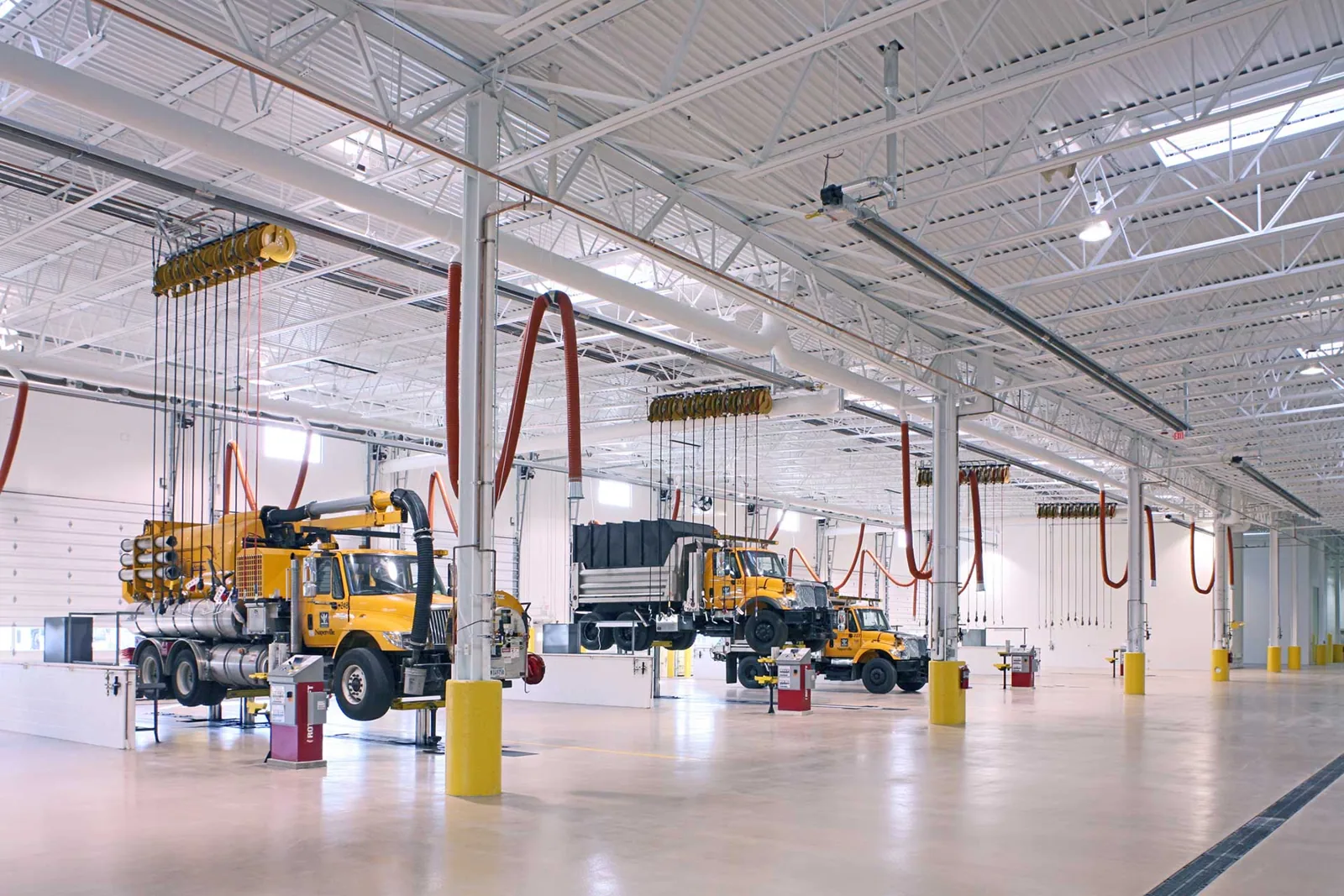
Commercial Roofing for Public Agencies in Mesquite, TX
A roof leak in a public building can affect a service counter, records room, meeting area, or equipment space while the facility remains open. We isolate the reported area, protect the space below, and trace the entry point before defining permanent work. The agency contact identifies access controls, public routes, and any room that cannot close. We inspect the roof section above the symptom, then document what is confirmed and what still needs testing. The repair record stays tied to the facility, not a general assumption about public roofs.
Downtown Mesquite's zoning framework addresses existing and future businesses across its surrounding blocks. A civic or public-service building near Downtown Mesquite may share street access with other activity, but its roof scope still follows its own roof plan and operating rules. We can prepare a school-district roof record or other facility assessment around the agency's approval and access process.
Who Releases the Roof and the Space Below?
Before the visit, we confirm the staff contact, roof entry, escort or sign-in steps, work-zone boundaries, and how the public will move around the affected area. If a ceiling must be opened or equipment protected, the building contact approves that access. We coordinate lift placement and deliveries before setting a repair sequence. A crew should not block an accessible route or enter a restricted room based on a roof sketch alone. The site contact releases each work zone as the building is ready.
For a Downtown Mesquite property, public entrances and roof staging need separate instructions from the site contact. We confirm where visitors can pass and where the crew can receive supplies. We confirm the gate, loading point, and daily schedule with staff. A phased occupied-building plan can distinguish the roof sequence from interior controls. For a facility with urgent water, an emergency response can secure the opening while approvals for permanent work are arranged.
What Will the Roof Inspection Establish?
We record the membrane or metal system, seams, edge details, drains, curbs, penetrations, prior patches, and the interior symptom. Each finding receives a roof-section location and photo. A visible opening may be repairable; surrounding material must still be checked before the scope is set. A moisture scan can indicate where testing may help, but a test opening establishes insulation condition. If access or weather limits the inspection, we state that rather than treating an unseen area as cleared.
An agency roof project in Mesquite should confirm which edition and local amendments apply to its scope. We record the assembly as found; a code edition alone cannot establish existing compliance. Our roof inspection records the present condition. A photo condition report can organize findings by section and severity, giving facility staff a clear basis for a repair request or capital review.
How Should Staff Handle a Storm Report?
After severe weather, staff should note when water appeared, which rooms are affected, and whether the symptom continues. We inspect edges, seams, flashings, rooftop equipment, and drains for actual openings or displacement. North Texas spring storms can bring hail, damaging wind, flooding, and tornadoes, though no single location experiences every event annually. A regional alert does not establish damage at one building. Our field report records observed impact separately from maintenance issues that existed before the event.
If water is entering an occupied area, temporary cover and interior protection may be needed before a complete condition review. The agency can use storm-damage roof repair to document that response and the permanent work limit. A hail or wind report is not a blanket replacement recommendation. We identify the roof section, material, and testing still required, then provide options the facility can review. A wind-damage assessment is useful when the field evidence points to displaced edge or membrane details.
What Belongs in a Clear Public Work Scope?
A scope should name the location, quantities, material, access controls, protection below, daily closeout, and the repair limit. We describe drain corrections, insulation removal, edge metal, flashing, and substrate work separately when those items apply. If an alternate is needed, we state its conditions and exclusions in plain terms. That gives agency staff a defined work area to review rather than a broad instruction to repair the roof. Concealed conditions remain subject to inspection when the membrane is opened.
A public-agency scope should be checked against the current permit and review path before materials are ordered. We document the roof condition and identify any change that needs direction from the project team. A bounded repair scope can address a localized defect. If moisture or repeated failure extends across the section, capital planning can compare a larger repair, recovery, or replacement path using field evidence.
What Does the Facility File Need After Work?
The closeout records the before condition, repaired roof section, material used, and final photos. It identifies temporary protection that remains and any access or test still pending. If a test cut was opened, we note the location and restoration. Facility staff can then connect the work to the original request and set the next inspection without depending on a contractor's shorthand or a photograph with no location.
The Gus Thomasson Corridor includes the IH-30 corridor and supports commercial redevelopment. That district context can help staff identify an access route, but the facility contact still defines the public entrance and roof-staging point. We photograph the property-specific boundary and note any room that must remain available during repairs. The closeout records each section opened and restored, so the agency can connect daily work with the approved scope. A later inspection can then compare the same roof areas without carrying a finding from one building to another. For a care site, healthcare roof coordination emphasizes occupied rooms and service continuity. Public agency files can use the same section-level detail while retaining their own approval and retention rules. Our roof asset record can track inspection dates, repairs, and open conditions by facility.
Commercial Roofing Questions
Can roof repairs be scheduled while public services stay open?
Often, if the work area can be separated safely and the agency approves the access plan. We identify pedestrian routes, room restrictions, deliveries, noise windows, and end-of-day dry-in. The facility contact releases each zone. When that separation is not possible, the schedule needs a controlled closure or alternate work period.
What information should a public facility include in its roof request?
Send the address, reported room, leak timeline, prior repair record, roof plan if available, and the person who can authorize access. Note public hours, restricted areas, and any equipment at risk. Those details help us set the first inspection route and avoid disrupting services unnecessarily.
Does a city code adoption determine the repair scope?
No. The adopted code edition is one project consideration. We inspect the existing assembly and the proposed work, then the agency confirms the applicable review and permit path. The roof report describes conditions; it does not determine the authority's project review.
How do you document suspected storm damage?
We photograph observed openings, displaced details, or impact and tie each to a roof section. The report distinguishes those findings from older wear or unresolved moisture. If water is active, temporary protection is recorded separately. Additional testing is listed where the field evidence does not settle the repair boundary.
Can an agency receive options instead of one repair recommendation?
Yes, when the inspection supports more than one workable path. We can define a local repair and a larger alternative, with quantities, access steps, and conditions that would change the scope. Each option remains connected to the findings rather than presented as an unsupported preference.
Schedule a Public Facility Roof Review
Provide the facility address, affected room, operating hours, access and sign-in requirements, roof records, and review deadline. We will inspect the authorized sections and return a documented condition and work boundary for facility review.