
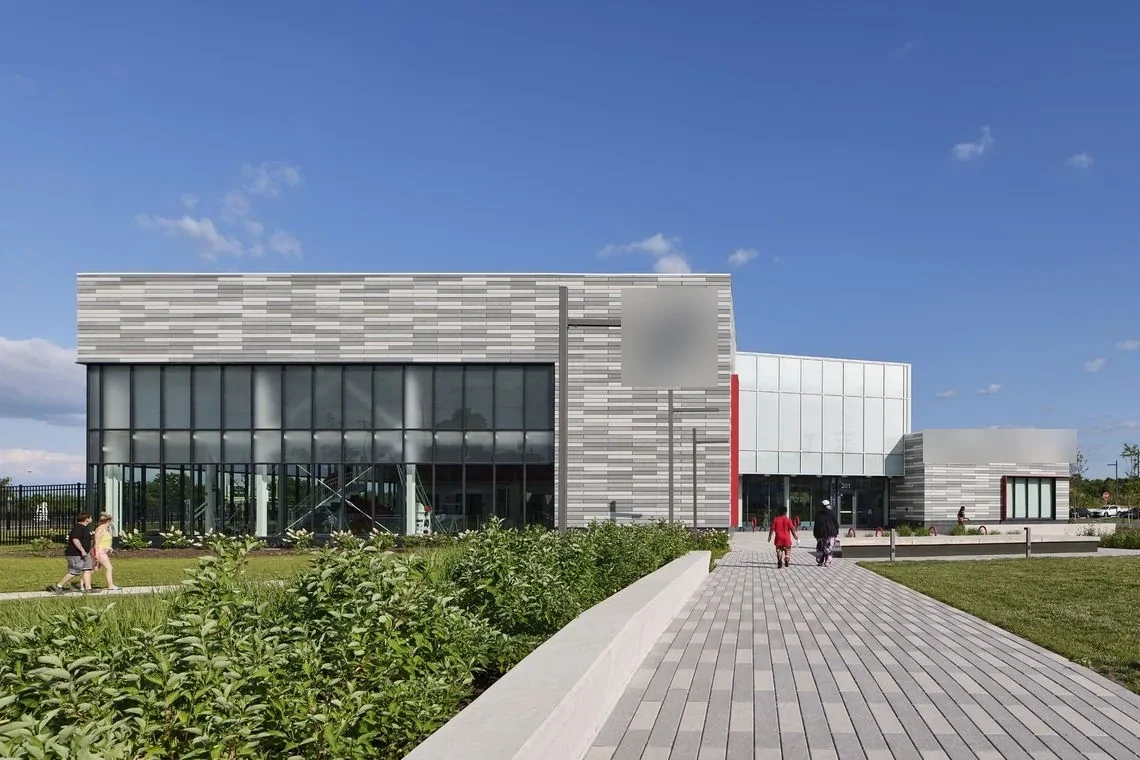
Fitness Center Roofing in Mesquite, TX
A roof issue at a gym can interrupt classes, damage flooring or equipment, and create a slip hazard before the membrane failure is understood. We start with the room or activity area affected, when water appeared, and whether the facility remains safe to use. Then we map the interior report to roof seams, drains, curbs, and transitions. The inspection separates visible evidence from the repair decision.
Fitness properties may combine training floors, studios, offices, locker rooms, and an aquatic area. The operator confirms what is actually on site and which spaces can be closed during work.
Which Member Routes Need Protection Before Roof Access?
Identify the affected room, equipment, flooring, electrical components, and route members use to reach it. If water is active, isolate the immediate area, place a safe barrier, and notify the manager who can suspend classes or redirect members. Keep temporary protection distinct from permanent repair. A wet ceiling tile does not establish where the roof opening lies.
Map the room to a roof section and label nearby drains, seams, skylights, penetrations, and rooftop equipment. Check for paths that cross a studio, office, locker area, or corridor. Water can move along the deck before it becomes visible. Use dated photos with the room name and roof zone so a follow-up visit can compare the same location.
Where a fitness center includes a pool or high-humidity space, verify that detail in person before assigning a cause. Interior humidity, exhaust, and temperature conditions can influence condensation, but they do not excuse an uninspected roof leak. Keep a roof path, condensation possibility, and plumbing issue as separate findings until the evidence narrows the source.
During work, set a barrier outside the immediate work zone, route members away from lifts and material carts, and keep emergency exits open. Agree on class schedules, peak entry periods, and any area that must remain available. The manager approves a closure and communicates it to members; crews do not improvise a path through occupied space.
Where Should We Check Drains, Curbs, and High-Movement Areas?
Inspect field seams, wall transitions, drain bowls, scuppers, equipment curbs, skylight frames, edge metal, and previous patches. Look for a failed detail that matches the interior report, not merely a nearby blemish. If multiple studios share a roof plane, record which rooms are below each suspected area and what observation would confirm the boundary.
Mesquite's Town East overlay includes a concentrated retail, restaurant, and entertainment business district serving eastern Dallas County. A gym near the Town East retail area may have active customer access and parking, but the district does not establish this facility's hours or roof condition. Confirm the actual member entrance, delivery window, and safe staging point with the operator.
The 2025 Downtown Mesquite zoning district guides existing and new businesses in downtown and surrounding areas, with a mix of shopping, employment, housing, business, and personal services. A facility near Downtown Mesquite still needs an address-level access review. A nearby street, tenant mix, or zoning label is not a substitute for checking roof age, assembly, drainage, and interior use.
A drainage check should capture outlet condition, debris, overflow paths, and roof area served. If water remains after storms, record the observation time rather than assuming duration from one photograph. Moisture mapping can help prioritize suspect areas, but its limits and verification method should be stated before replacement quantities expand.
How Can Work Be Scheduled Around Classes and Member Flow?
Set the work start, lift route, staging location, noise period, and daily closeout with the facility manager. A morning class schedule may affect access differently from evening training or weekend programs. Do not block a member entrance, accessible route, emergency exit, or drop-off area without an approved alternate plan. If a room must close, name its limits and the time it can reopen.
Mesquite's Towne Centre and Market East area supports Town East retail and redevelopment along Interstate 635. A property near the Towne Centre and Market East area still needs address-level checks for parking, customer routes, and deliveries.
Heat is a summer scheduling factor in DFW, while spring brings higher regional severe-storm risk. Check the current site conditions before exposing materials. Check the current forecast, roof temperature, and safe work conditions before uncovering material. A regional weather pattern does not establish that a gym roof has storm damage; that conclusion follows an inspection.
If a repair remains open at shift end, verify the temporary seal, protect equipment below, and document the next step. Give the facility a clear status: area isolated, work complete, dry-in confirmed, or waiting on an approved test. The duty manager should receive the same update as the maintenance contact.
How Does the Repair Scope Compare with the Operational Disruption?
A localized repair may fit a confirmed opening or flashing failure when adjacent materials are sound enough for a tie-in. The repair scope should list preparation, material compatibility, repair limits, exclusions, protection, and a follow-up observation. If equipment or classes are displaced, include that disruption in the work sequence.
Repeated leaks in different rooms, widespread wet insulation, failing drains, or multiple roof transitions may justify a broader assessment. A replacement option should include tear-off, deck review, insulation, drainage, equipment-curb detailing, debris removal, phased dry-in, and member protection. A recover option requires verification of existing layers, attachment, moisture, height, and code requirements before eligibility is stated.
A Mesquite roof project may fall under local amendments to the 2024 building code adopted in November 2025. Verify the review triggered by this fitness property's proposed work. Confirm the applicable requirements for the building and proposed work rather than assume a prior permit or neighboring project controls this one.
Keep options on a shared roof plan. Identify the conditions each resolves, the rooms likely to be affected, and what remains untested. The owner can then compare the cost of a limited repair with the disruption of a phased replacement without confusing an active leak response with a long-term capital decision.
What Roof Record Should Be Ready When the Space Reopens?
Closeout should show the repaired area, affected room, materials, boundary, photos, approvals, and any remaining test or protection item. Confirm that the member route and room are safe to reopen. If water entered flooring or equipment, leave that follow-up with the facility contact rather than treating the roof correction as the entire incident response.
A maintenance visit can track drains, seams, curbs, edge details, and recurring leaks. Record new rooftop units or tenant changes with date and approval. The shopping-center roof review has different common-area coordination; keep a gym's member schedule and equipment plan. An office-building roof review follows occupied-room access rules.
Store the inspection map, work order, change approvals, photos, and next observation date together. Use a short handoff that says what was repaired, what remains uncertain, who owns the open item, and when the roof will be checked again. A new facility manager should not have to reconstruct the work from scattered messages.
When another leak appears, compare its room, roof zone, and weather timing with prior records. That does not prove the same failure has returned, but it gives the next inspection a starting point. The contractor can test the earlier boundary and identify whether the new condition is connected or separate.
Commercial Roofing Questions
Can classes continue during roof repair?
Sometimes, if the work can be isolated from member routes and occupied rooms. The manager approves any closure, lift path, or schedule change after reviewing the planned boundary.
What should staff do when water reaches gym flooring?
Keep people away from a wet or electrically affected area, notify the facility lead, protect equipment where safe, and record the room and time. Roof inspection follows the immediate safety response.
Could humidity be mistaken for a roof leak?
It can be one possible cause in some spaces, but it must be checked rather than assumed. We compare roof details, interior conditions, plumbing, and any test results before assigning the source.
When is moisture mapping useful?
Use mapping when its method fits the assembly and can prioritize suspect sections. State its limits and how any pattern was confirmed before using results to expand quantities.
What information belongs in gym roof closeout?
Include the roof map, affected rooms, repair limits, materials, dated photos, approvals, reopening status, and any next observation. Assign each unresolved item to a named contact.
Plan a Safe Work Zone for Members
Send the affected room, class schedule, roof map, access rules, and equipment concerns. We will define the inspection boundary and identify a workable repair window.

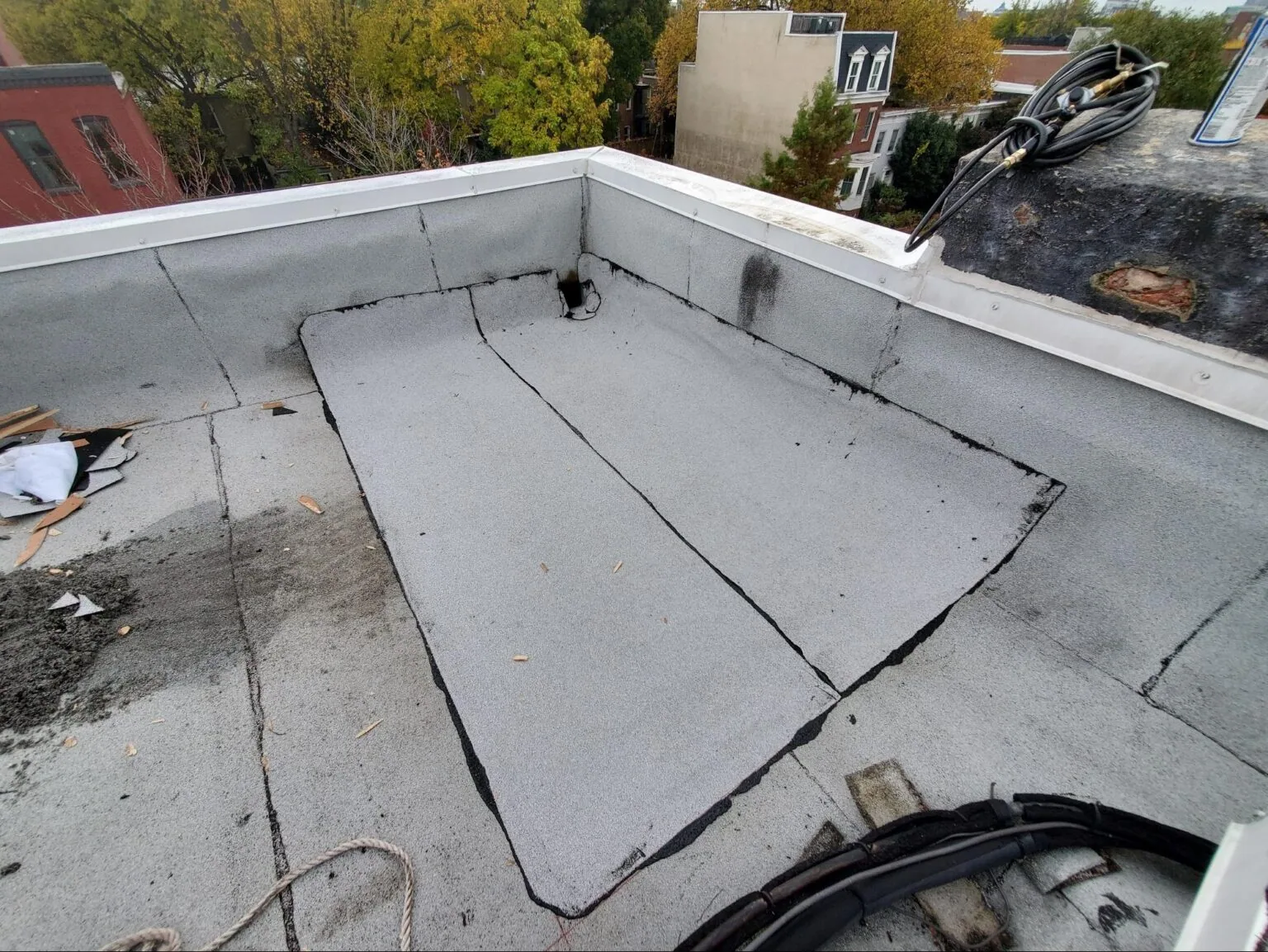
Work planned around the building and its daily operations.