
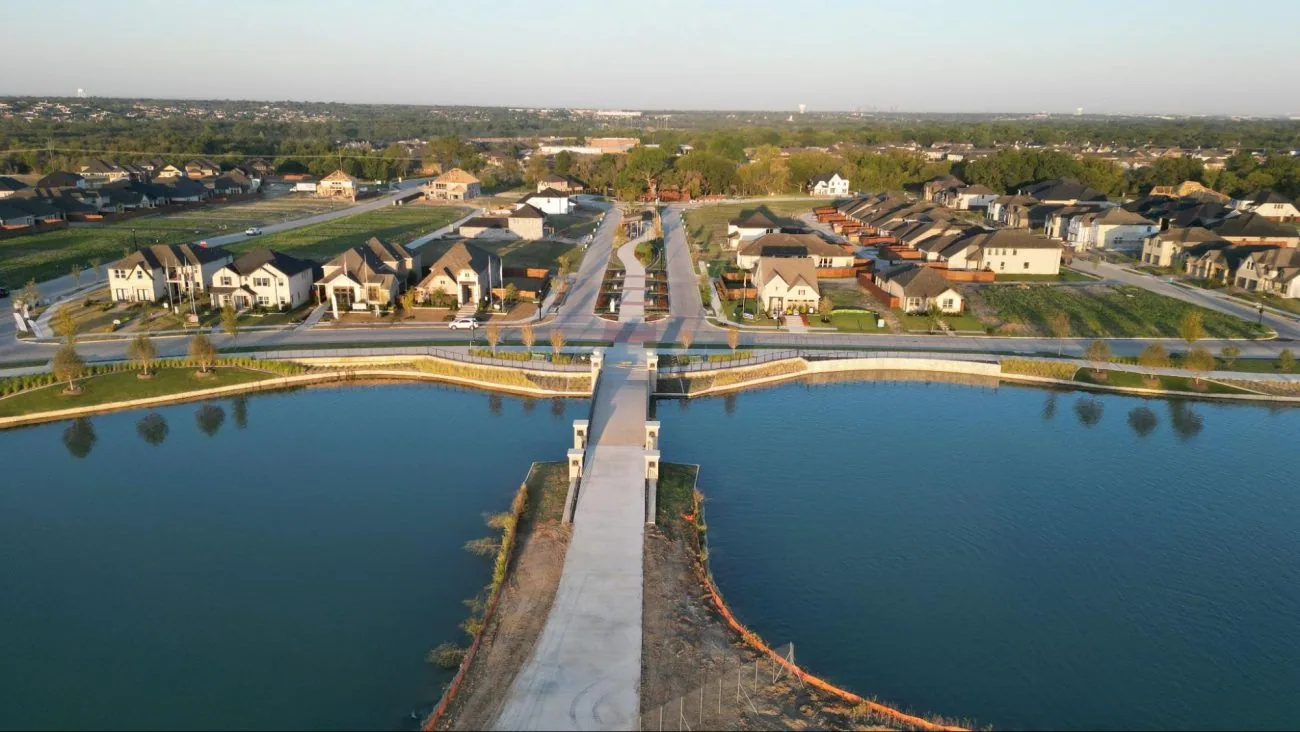
Commercial Roofing in Sunnyvale, TX
Commercial roof work in Sunnyvale starts with the property’s access and the condition that brought the call. Sunnyvale’s growth priorities include employment and commercial areas, transportation, infrastructure, and future land use. Road work is planned along Collins Road, SH 352, and the US 80 corridor. Those priorities add context for a changing market but do not identify the roof on a specific building. We verify the assembly, safe entry, and leak boundary on site before setting a scope.
A property manager can help us avoid blocking a delivery or opening a roof above an active interior zone. We confirm the authorized roof entrance, lift position, material route, and work window before dispatch. At the roof, we inspect the reported section and its nearby seams, drains, curbs, penetrations, and perimeter details. A commercial roofing review in Forney or roof repair in Sachse requires its own contact and access plan; for Sunnyvale, the field findings govern the work boundary.
How Can Road Work Affect a Roof Project?
Road projects are planned for Collins Road and SH 352, while the US 80 corridor is an infrastructure priority supporting economic development. A project near one of these routes still needs a property-specific delivery and access check. We ask whether construction, lane restrictions, or a planned work zone changes how a lift or material truck can enter. We do not treat a road project as proof that a particular site is under construction.
Sunnyvale’s growth work includes future land use and employment areas. On a commercial roof, the useful question is what stage the property has reached and who can authorize entry. If multiple trades are active, we record which party protects exposed materials, who controls rooftop equipment, and when a section can be released. A roof condition record with section photos can help separate existing defects from work that changes during construction.
For an occupied building, the crew needs a clean path from check-in to the roof and a way to protect people below. The work plan marks the area opened, the temporary closure expected at shift end, and any condition that stops progress. A phased commercial reroof sequence can coordinate those releases when a property cannot clear the roof all at once.
What Should the Inspection Trace?
Water does not always enter above the interior stain. It can travel along a deck or insulation layer before reaching a ceiling. We start at the reported symptom, then check the roof plane above and around it: laps, seams, curbs, pipes, drains, scuppers, wall joints, and edges. Photos and roof-plan marks show where each condition appears. An inaccessible section is listed as a limit so the owner knows which observation needs another visit.
Drainage checks start at the inlet and follow the route toward an outlet. We look for debris, restricted strainers, low spots, open flashing, and water that remains after adjacent sections clear. The cause may be a blocked bowl or a change in slope, and the repair scope differs. If ponding persists, a roof ponding assessment can define where a test opening would clarify whether insulation or deck work is needed.
Spring weather in the broader Mesquite and Dallas-Fort Worth market brings a concentrated period of thunderstorms and severe-weather risk. After a report, we inspect Sunnyvale's roof for the actual condition instead of assigning regional damage to the address. A storm-related roof review can record open seams, loose edge metal, punctures, impact marks, or debris and keep those observations tied to the affected section.
Which Findings Support a Local Repair?
A localized repair is suitable when the surrounding material remains sound and the failure can be closed with a compatible detail. We identify the installed system before selecting a patch, flashing method, or sealant. For a membrane, preparation and weld or adhesive compatibility matter. For metal, the panel profile, seam, fasteners, and movement at transitions affect the repair. The written scope names the work area and what conditions would require owner approval to expand it.
If moisture is hidden below the surface, a controlled test opening can show which layer needs removal. We photograph the layers, mark the location, and separate confirmed quantities from an allowance. A surface patch will not restore wet insulation. Where the findings are broad or failures recur, the owner can compare repair with recover or replacement using common roof sections and access assumptions. Commercial roof repair work can address a bounded problem; replacement planning is considered when the assembly or test results point to a larger scope.
Drain bowls and scuppers often connect a leak location to a larger water path. A drain and scupper repair can include the outlet and the surrounding membrane transition. We define the relation to the reported leak rather than pricing a drain detail in isolation from the roof surface that meets it.
When Should the Crew Change the Sequence?
The Mesquite market shares Dallas-Fort Worth’s hot, humid summer pattern. July and August highs generally remain in the 90s and sometimes exceed 100 degrees. Heat affects roof-surface conditions, worker exposure, and the handling of repair materials. We check product requirements and the day’s forecast before opening a roof area. If a surface is wet or a material cannot be installed within its limits, we protect the boundary and move to another approved task.
Rain timing, wind at roof level, lift access, and delivery windows can also reshape a shift. The crew works on an area that can be closed weather-tight within the available time. For an active leak, temporary roof protection can reduce exposure while we confirm the permanent repair detail. The record identifies what the temporary measure covers and when a follow-up is required.
Pricing follows measured roof area, installed system, working height, material access, concealed moisture or deck conditions, and the work releases the property can approve. We list those assumptions in the proposal. If a road project or site schedule changes the approved route, we confirm a new time rather than staging outside the property’s limits.
What Should the Final Work Record Show?
Our handoff labels the repaired roof area and records the method, material, image set, test outcome, and unresolved access item. A marked plan separates closed work from conditions still under observation. The owner can compare the work record with a future leak and see whether the symptom falls inside the completed repair or at a separate detail.
For a building that changes through redevelopment, separate roof histories keep construction observations and completed repairs distinct. A record can show when a test opening found wet insulation, where the material was replaced, and which area was not checked. That gives the next property contact a useful starting point for maintenance or capital planning. The file should state the access restrictions that shaped the inspection.
To schedule commercial roofing in Sunnyvale, send the property location, roof plan if available, reported condition and timeline, site contact, and safe work window. We will confirm access and explain repair options tied to the roof assembly we inspect.
Commercial Roofing Questions
Does road planning on US 80 or Collins Road affect roof conditions?
Not by itself. The plans address transportation and infrastructure. We confirm any access change with the property contact and inspect the roof for the reported condition.
Can an inspection be coordinated with active construction?
Yes, if the site representative confirms which areas are released and how the crew enters. We coordinate with the authorized contact and record the limits around other work.
How do you separate storm damage from existing wear?
We document the reported date, visible condition, and repair history where available. Photos locate each item, while testing may be needed to distinguish a surface mark from a functional failure.
What if the roof plan is not available?
We can document the accessible roof area and identify the system and details observed. The report notes limits and any additional access or records that would improve the next scope.
Can temporary protection be priced separately from the repair?
Yes. We distinguish immediate protection from permanent work, showing the covered area, remaining exposure, and follow-up inspection needed to close the repair.
Set a Commercial Roof Visit in Sunnyvale
Share the property location, roof plan, reported leak or storm, site contact, and access window. We will inspect the approved area and document the repair path.
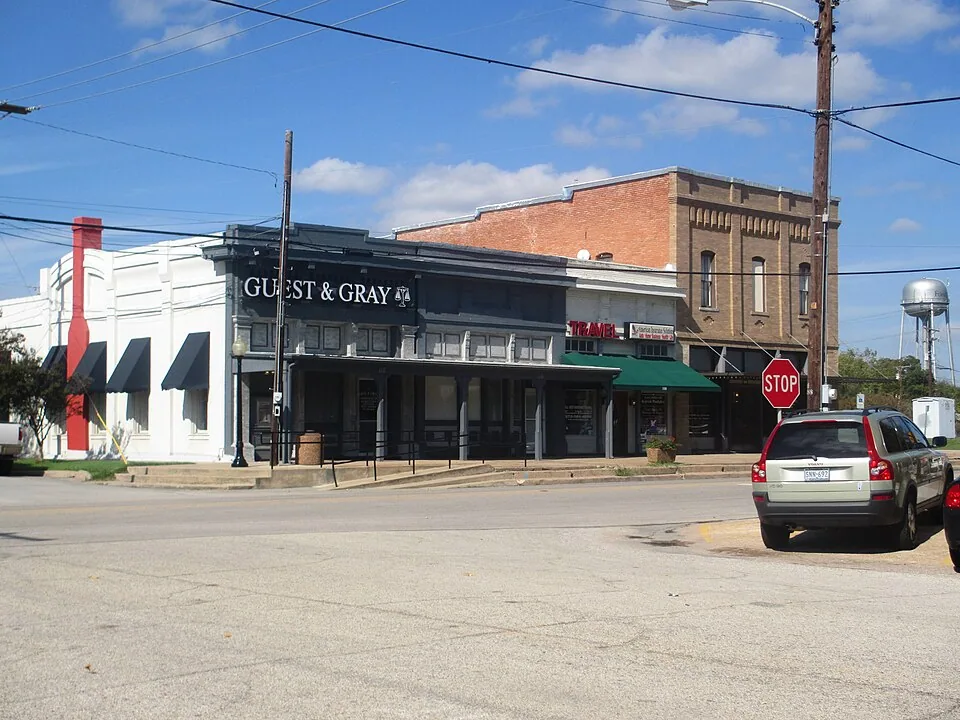
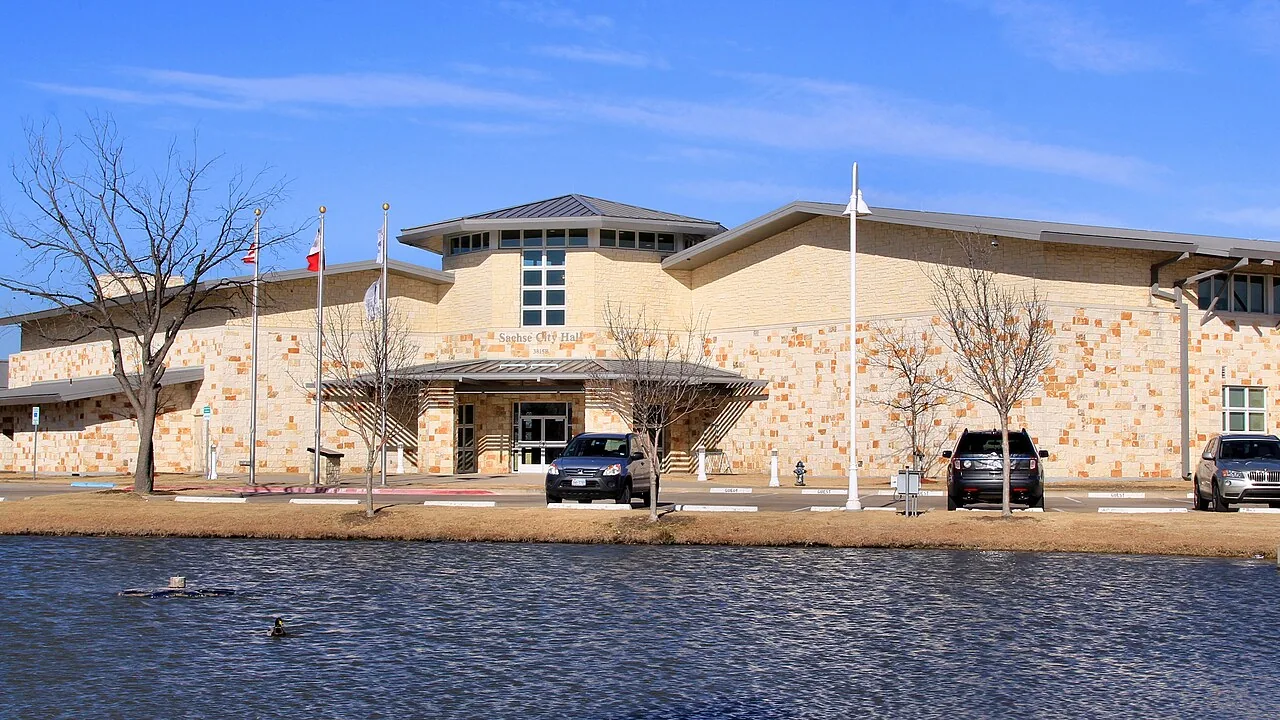
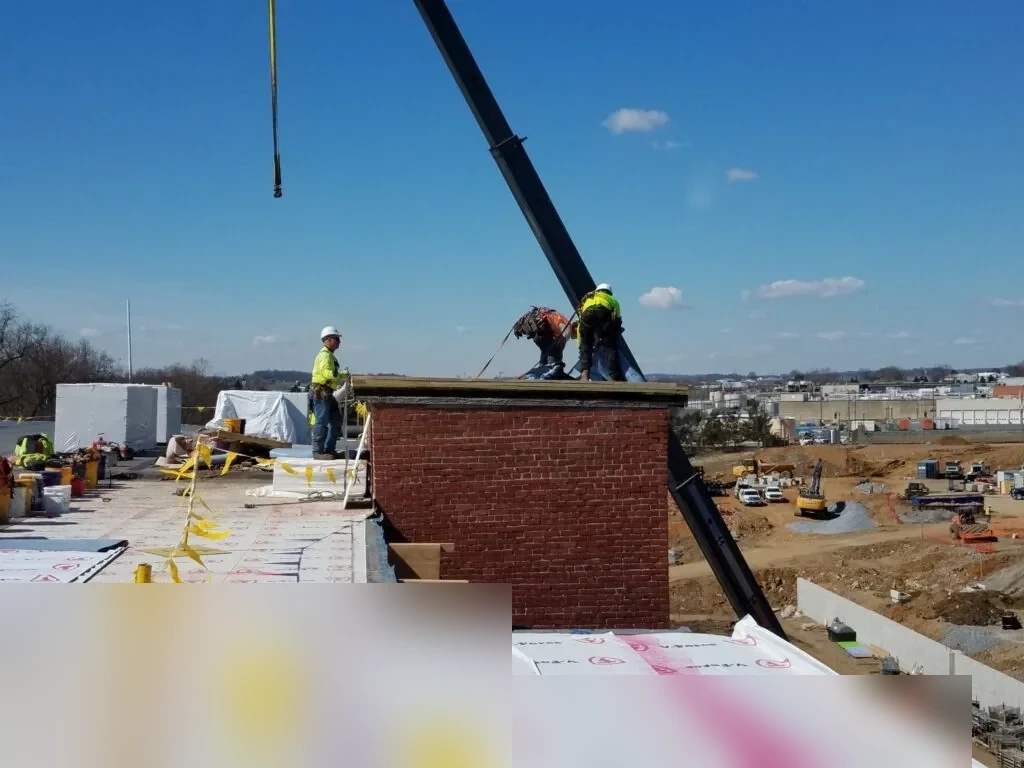
Work planned around the building and its daily operations.