
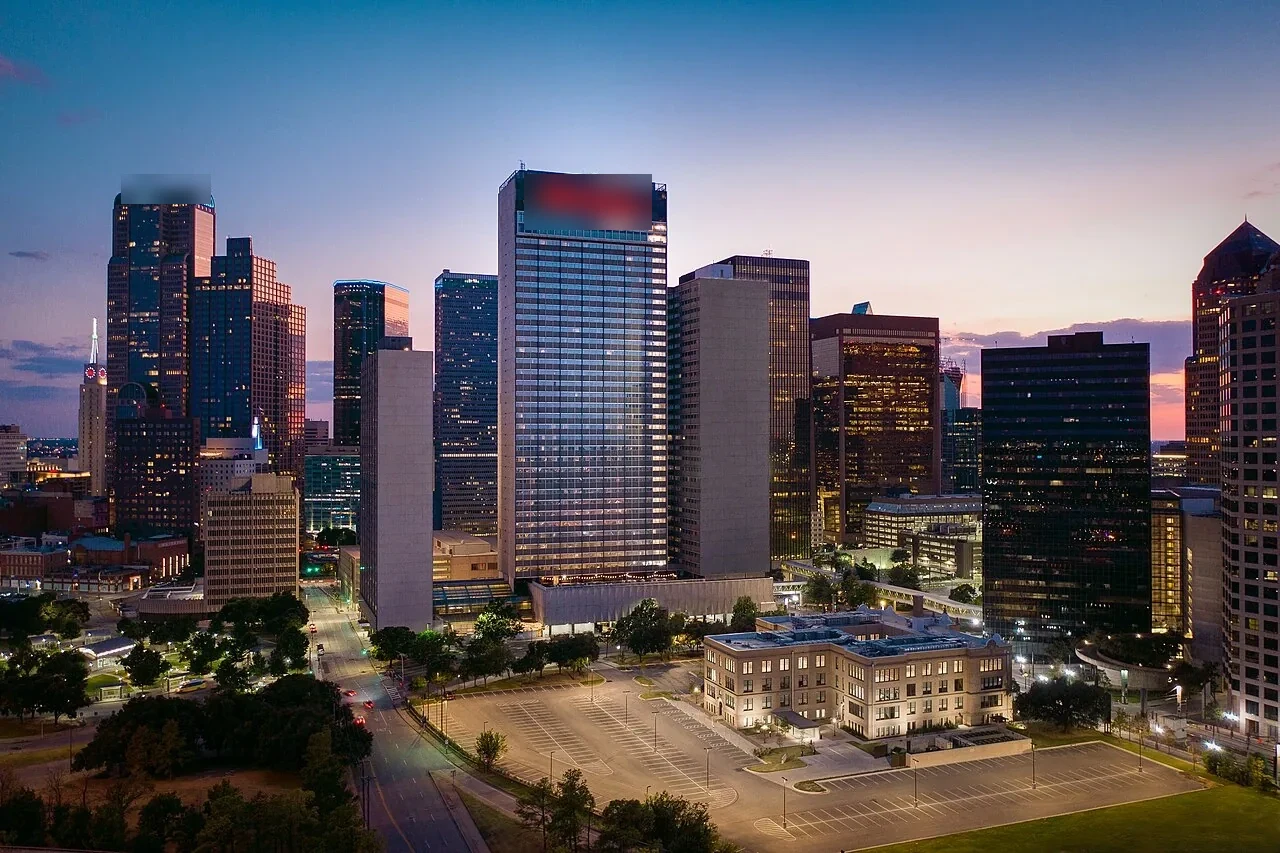
Hotel Roofing in Mesquite, TX
A leak over a guest room or corridor needs quick containment, but the ceiling symptom does not establish the roof entry point. We inspect the roof section above, trace the likely path through seams and equipment curbs, and check the nearest drains and wall transitions. The report marks affected rooms, wet insulation if confirmed, and any temporary protection. That lets hotel operations plan around the actual work area.
Mesquite's Town East and Market East districts include retail, office, industrial, and service activity. Local deliveries and traffic can affect dispatch, while the hotel controls guest access, housekeeping routes, event schedules, and equipment operations. We coordinate with the property contact before staging a crew. Interior protection, quiet hours, and a dry roof at shift end belong in the sequence.
Which Rooms and Guest Routes Need Protection?
We identify the occupied rooms, public areas, lift lobbies, loading doors, and staff corridors below the roof section. The hotel contact can flag sold rooms, events, food service periods, and quiet hours. We confirm whether a room can be cleared for a shift and who releases it after the interior check. We plan roof access and lift placement to avoid guest paths, then define the ground exclusion area. If a room cannot remain in service during a repair, the schedule should show when interior protection goes in and when the space can be checked again.
The Towne Centre and Market East district spans a broad Mesquite commercial area, but hotel access is set at the property. A restaurant roof plan may also involve kitchen exhaust and service hours; guest rooms add a different interior coordination need. We agree on quiet tasks, noisy work, and temporary dry-in before the first section is opened.
Are Rooftop HVAC Curbs and Lines Watertight?
Hotels rely on rooftop units, exhaust fans, refrigerant lines, and other equipment that penetrate or load the roof. We examine curb corners, flashing terminations, fasteners, support rails, and membrane seams for movement or separation. If a mechanical connection needs adjustment, we coordinate with that trade before changing the roof detail. The finished flashing must leave equipment service access and a clear drainage path.
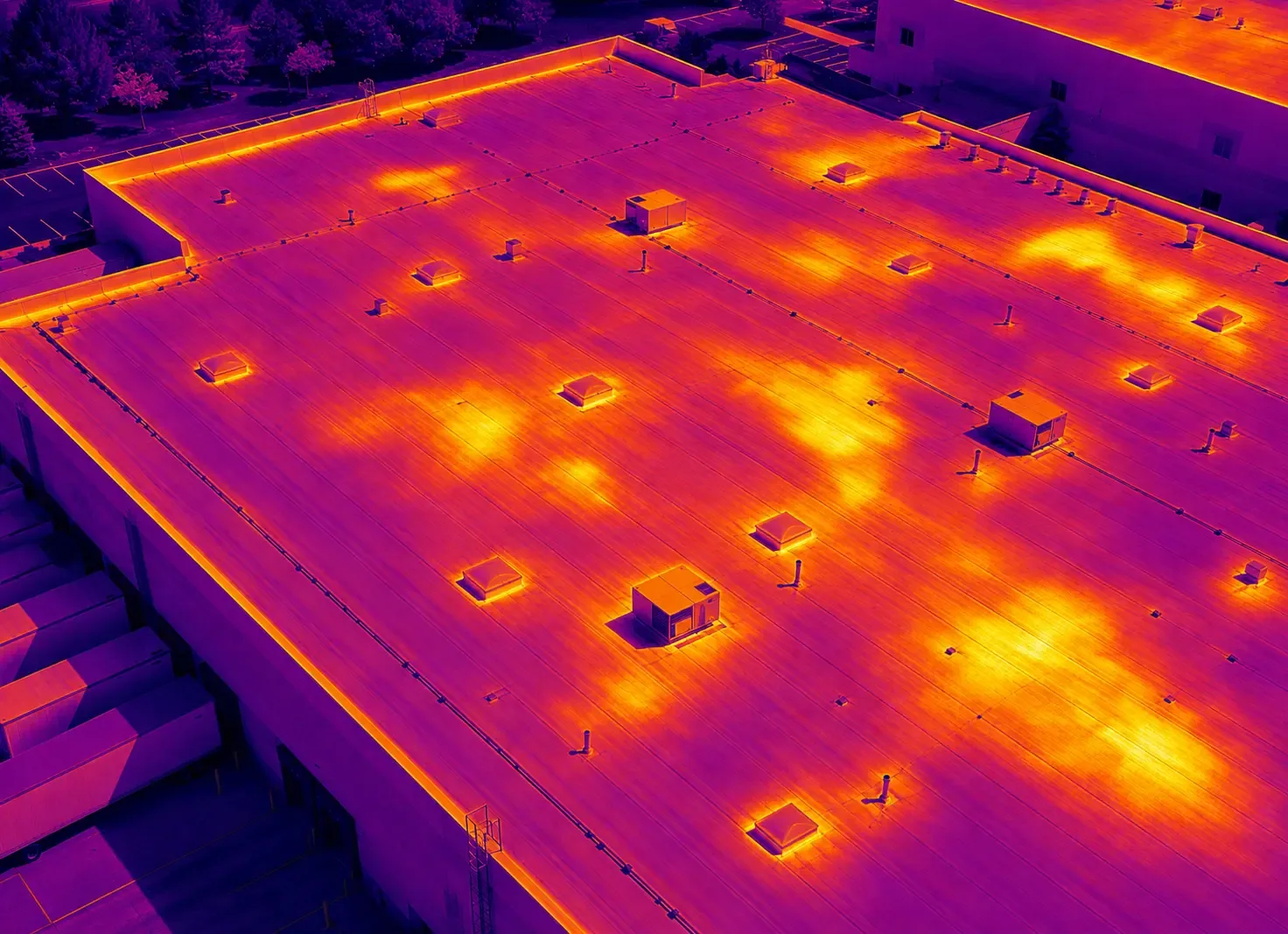
Water can follow a conduit or framing member and appear far from the curb. We use the interior timeline, roof plan, and moisture checks to narrow the leak path. An infrared moisture survey can guide test openings when the affected area is uncertain. Openings confirm the insulation and deck condition. The closeout records which curb or seam was repaired and where material removal stopped.
Which Roof Layers Can Remain in Service?
A hotel roof may include original sections, additions, and later equipment upgrades. We verify the membrane or metal system, cover board, insulation, deck, attachment, and flashing before selecting a repair. Open seams, loose coating, corrosion, or wet insulation each point to different work. Test cuts show whether moisture extends below the visible defect. The repair limit follows what is confirmed in the assembly.
If a sound membrane only needs targeted attention, we can assess a compatible repair. If broad moisture or repeated failure appears, the owner may need to compare selective removal with replacement. A commercial EPDM system uses different seams from a heat-welded TPO assembly. We review the existing roof plan and product requirements before recommending either path. A replacement scope should also account for parapets, drains, and rooftop equipment transitions.
What Changes After a Mesquite Storm?
Severe weather peaks in the Dallas-Fort Worth spring season, when the Metroplex sees hail, damaging wind, flooding, and tornado activity in many years. We inspect the hotel roof for actual membrane punctures, displaced edge metal, open seams, blocked drains, and new interior reports. Regional weather does not show what happened at a particular property. Photos identify the affected sections and help the owner decide whether temporary protection or permanent repair is needed first.
Mesquite summer heat also affects roof work. Regional daytime temperatures in July and August routinely run through the 90-degree range, and some reach 100 degrees or above. We plan adhesive, membrane, and coating work for actual site conditions and product limits. A storm-damage inspection can record observed conditions. A maintenance visit can then track drains, flashings, and repairs through later weather cycles.
What Should the Hotel Receive at Closeout?
Closeout notes should name the roof section, rooms or corridors below, materials used, test areas, and any work left outside the approved scope. Before-and-after photos help engineering staff distinguish a repaired leak from a new symptom. We list the temporary protection removed or remaining and identify the next inspection point. That record is useful when housekeeping or guest services reports a later ceiling mark.
Where many roof sections are involved, an asset record can track conditions and work history without treating all rooms as one exposure. A photo condition report records observed conditions. The hotel can compare that record with a grocery property roof review or another building's inspection only for planning formats, not for roof findings. Each building keeps its own assembly record and access plan.
Material movement can also depend on the hotel's event calendar and receiving area. Mesquite's industrial and retail districts generate different dispatch needs; the hotel contact confirms where a delivery may stage and when the lane is clear.
Commercial Roofing Questions
Can guests remain in rooms below the active roof work?
That depends on the interior protection, noise, access, and the repair area. We identify the rooms and corridors below the work, coordinate with operations, and state which spaces should remain clear. A contained repair may allow nearby rooms to stay in service; removal or a wet ceiling can require a temporary room restriction. The hotel decides guest assignment using the work-zone details and schedule we provide.
How do you respond to a leak found during an event?
We first identify the affected interior area and a safe roof access route. If water is active, temporary protection and movement of guests or equipment may take priority over permanent work. We document the visible condition, trace likely entry points, and set a return window for repairs that need a controlled area. The event manager and building contact confirm which corridors and exits must remain clear.
Why can a ceiling stain appear away from an HVAC unit?
Water can follow a deck, conduit, framing member, or insulation joint before it becomes visible inside. We compare the stain location with the roof plan and inspect curbs, seams, drains, and wall transitions nearby and uphill. Moisture checks or test cuts can confirm the path. The repair scope follows the field findings rather than stopping at the room where water appeared.
What if rooftop equipment must stay online during repairs?
We map operating units and service routes with the hotel's engineering contact, then isolate work around each curb or support. Mechanical shutdowns require coordination and approval from the responsible operator. We keep the repaired flashing accessible for later maintenance and protect equipment from debris. If a safe repair cannot be completed with the unit operating, the scope identifies the needed outage window before mobilization.
What should a hotel roof report record after repairs?
Record the roof section, affected rooms, material and flashing details, test openings, insulation findings, photos, and repair limits. Note any condition outside the approved scope and whether temporary protection remains. The facilities team can use that record to check the same detail after a later storm or guest report. Building-specific access notes also help coordinate future work without blocking event and housekeeping routes.
Plan Repairs Around Guests and Engineering
Share the leak timeline, affected rooms, event schedule, roof plan, and equipment access needs. We will trace the water path, define interior protection, and coordinate a safe work window by roof section.
Work planned around the building and its daily operations.