Restaurant Roofing in Mesquite, TX
A wet ceiling near the kitchen can stop prep, damage equipment, and create a guest-area hazard. We locate the interior symptom, inspect the roof above, and check exhaust curbs, pipe supports, seams, drains, and wall transitions. Grease exhaust and make-up air openings need careful flashing checks. Water can travel before it drips, so the visible stain is not the repair limit.
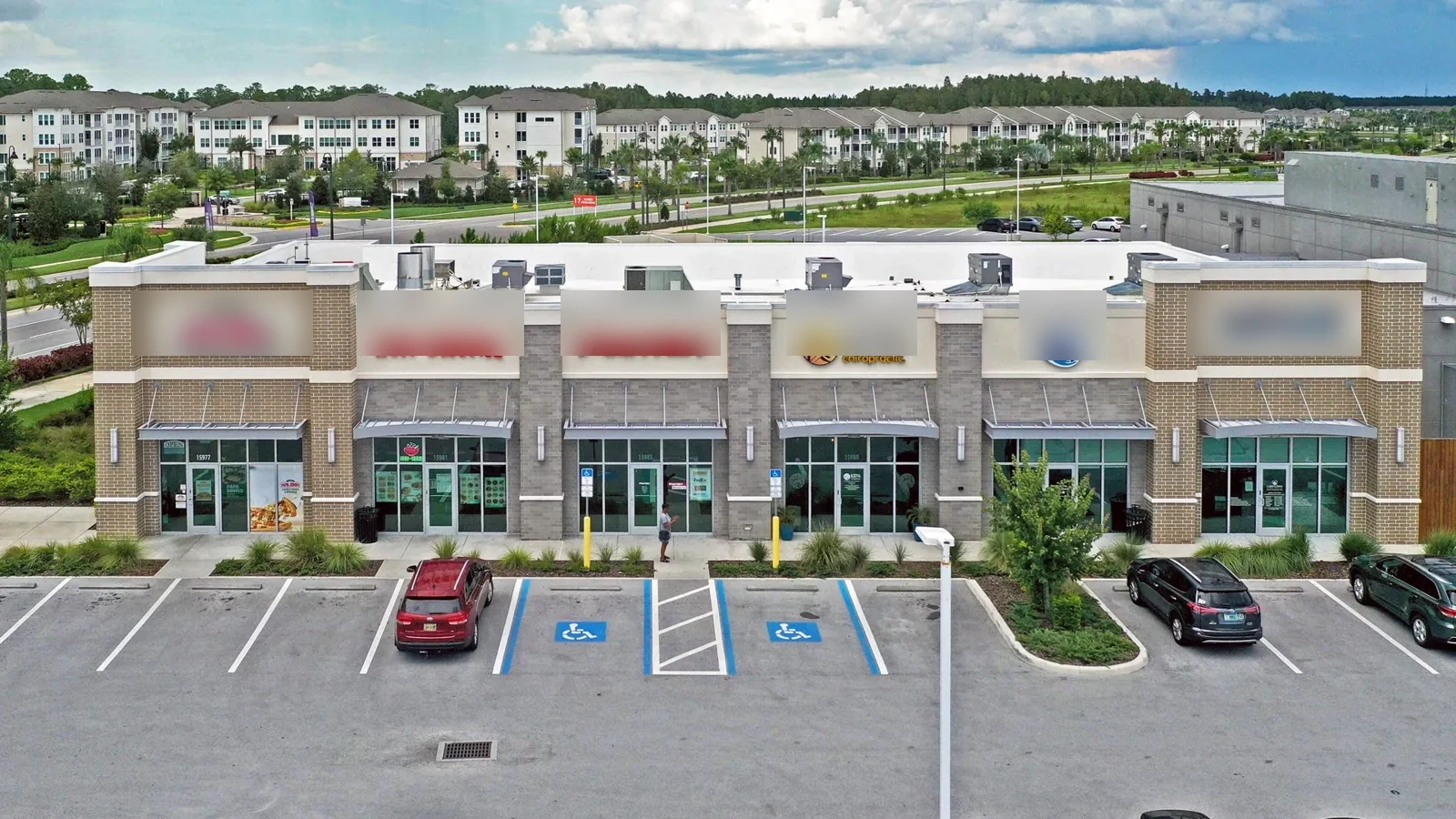
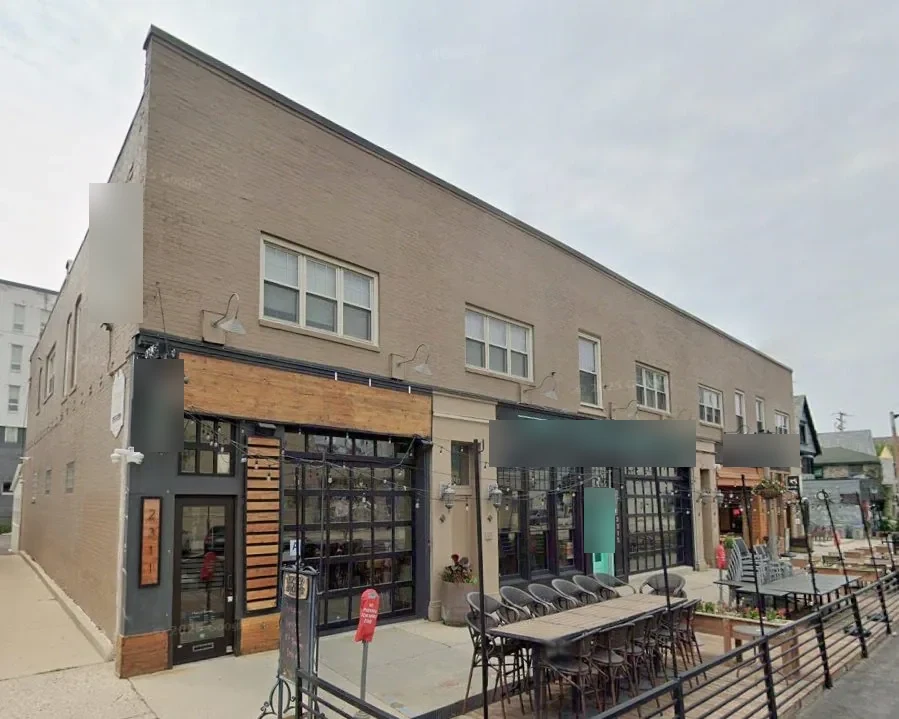
Mesquite's Town East Retail and Restaurant Area covers a continuous business district with those uses. A restaurant there may need deliveries, outdoor dining, and evening service protected during roof work. The property sets the access and loading window. The broader Towne Centre and Market East district adds retail, office, industrial, and service activity along the I-635 corridor. We agree on each work zone before material moves, then separate immediate dry-in from permanent repairs.
Which Kitchen Penetrations Need a Roof Check?
Kitchen exhaust fans, flues, duct curbs, plumbing vents, and rooftop HVAC units create different roof transitions. We check the flashing corners, membrane termination, curb condition, fasteners, and nearby seams. Grease buildup can obscure a joint, so the inspection records what is visible and whether the area can be safely cleaned for a closer look. A loose fan base or disconnected support may require coordination with the mechanical trade before roofing work proceeds.
We identify where restaurant exhaust or equipment service needs roof access after repair. The detail should remain serviceable without cutting a new opening through the membrane. A penetration and flashing repair can address a confirmed roof transition, while curb support work coordinates the roof and equipment interfaces. We mark the repair edge and leave the operator with photos of the completed detail.
Can the Work Avoid Prep and Dinner Rush?
Restaurant schedules have fixed periods for receiving, food preparation, service, and cleaning. We confirm which entrances and loading areas must remain open, when kitchen operations change, and whether rooftop work could affect ventilation or odor control. Crew access and material staging should not cross guest paths. If the roof needs an open work area, we use a sequence that protects the interior and closes the section before the next operating period.
The Town East retail and restaurant district is a major business center serving eastern Dallas County. Nearby deliveries and traffic can add to the site's own schedule. Each restaurant decides its safe window. When it is part of a larger shared center, a shopping center roof coordination plan can account for adjacent tenant routes, while restaurant work still needs controls for exhaust, kitchen use, and guest access.
Where Does Water Travel Before Reaching the Dining Room?
A drip over a dining table may originate at a curb, lap, drain, or parapet farther uphill. We compare the report with the roof layout and trace likely paths across the membrane. Test openings can show whether insulation is wet and whether the deck needs repair. We protect furnishings and food-preparation areas while the inspection establishes how far the assembly is affected.
Mesquite's summers are hot and humid, with regional daytime highs in July and August generally in the 90s and some days at or above 100 degrees. Conditions affect safe access and installation windows for adhesives or coatings. A moisture survey can help select test areas when water spread is unclear. Physical checks confirm the layer condition. A leak repair scope then identifies the entry detail, wet material, and protection needed to keep the room usable.
Are Drains Clear Before the Next Service?
Debris can collect near kitchen exhaust equipment, rooftop screens, and low roof transitions. We inspect drains and scuppers for blockage, confirm water can reach the outlet, and look at the membrane around the bowl or conductor. A clear strainer does not correct a separated seam or a failed drain connection. We list each observed issue separately so maintenance staff know which item needs cleaning and which needs roof repair.
Spring is the Dallas-Fort Worth region's severe-weather season, with large hail, damaging winds, flooding, and tornadoes occurring across the Metroplex. We inspect actual conditions at the restaurant after storms, including edge metal, penetrations, and drainage. A drain and scupper service handles confirmed outlet defects. If hail or wind damage is present, a storm roof assessment records the affected sections for repair planning.
What Should the Repair Scope Include?
The scope should name the restaurant area below, roof section, penetration or seam being repaired, and any insulation removed. It should also state what remains outside the approved repair. We take photos before and after the work, record materials and application conditions, and identify any temporary protection left in place. That gives operations staff a closeout they can use when a later service visit involves the exhaust or HVAC equipment.
A compatible single-ply system may suit a roof where seams and substrate can be prepared; another assembly may be required by the existing layers and design. Heat-welded seams require clean, properly prepared surfaces and matching flashing details. A coating is considered only after adhesion, drainage, and wet insulation are resolved. For a restaurant group, a consistent roof record can support coordination while preserving each location's own access rules. A restaurant inside a lodging property also needs a roof plan tied to guest access, so we coordinate with the hotel roof team when those operations share the building.
Town East-Skyline includes industrial uses within Mesquite's commercial mix. That context helps route regional deliveries, while the restaurant's loading dock and service entrance determine the work sequence.
Commercial Roofing Questions
Can you work on the roof while the restaurant is serving customers?
We review the service schedule, guest routes, kitchen ventilation, loading, and the interior area below the repair. Tasks may be staged before opening or between operating periods when the repair method and weather allow it. Roof access, lift use, and ground protection still need a safe path. If an opening cannot be closed before service resumes, the plan needs another window or temporary dry-in.
Will a roof repair affect kitchen exhaust?
Work near a fan curb or flue can require coordination with the mechanical contractor and the restaurant operator. We inspect the roof flashing and support, then identify when the equipment must be shut down or kept in service. The scope protects the opening and leaves service clearance. We do not alter exhaust operation without approval from the responsible equipment contact.
How do you find a leak above a kitchen?
We start from the interior report and inspect likely roof paths above and uphill from it. Curbs, exhaust penetrations, seams, drains, and wall transitions receive a close check. Moisture readings or selected test cuts help determine if insulation is wet. The written repair boundary follows the confirmed condition, even when the water appears in a different room.
Can a storm inspection support the restaurant's claim file?
We photograph observed damage by roof section and note punctures, displaced metal, open seams, and interior reports. The record distinguishes storm findings from existing wear and identifies any temporary water protection. Weather in the region is not proof of impact at the property. The owner can use the field documentation with its insurer or adjuster when preparing a claim.
What details matter when comparing repair with replacement?
We compare the active leak boundary, repeated failures, insulation condition, deck, drainage, and remaining roof layers. The inspection also identifies curb and exhaust transitions that must be rebuilt if the system changes. A local patch may fit isolated damage; widespread wet material or seam failure can point to broader work. The proposal should show the field evidence and scope limits for each option.
Set a Safe Kitchen Roof Window
Send the leak timeline, kitchen schedule, exhaust and equipment layout, receiving hours, and roof plan. We will inspect the failure path, protect affected rooms, and coordinate the repair window with operations.
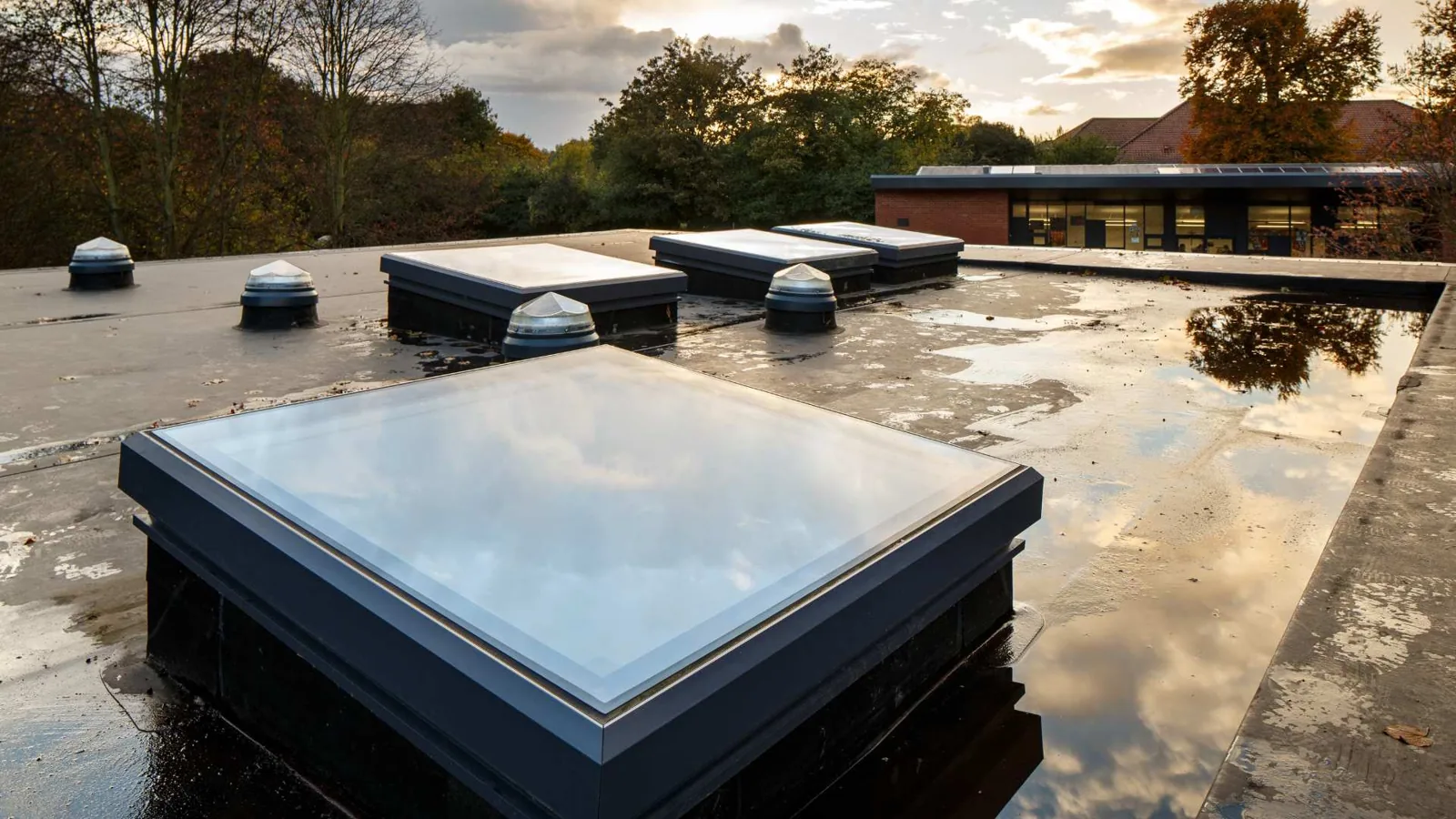
Scope, access and schedule reviewed before work begins.
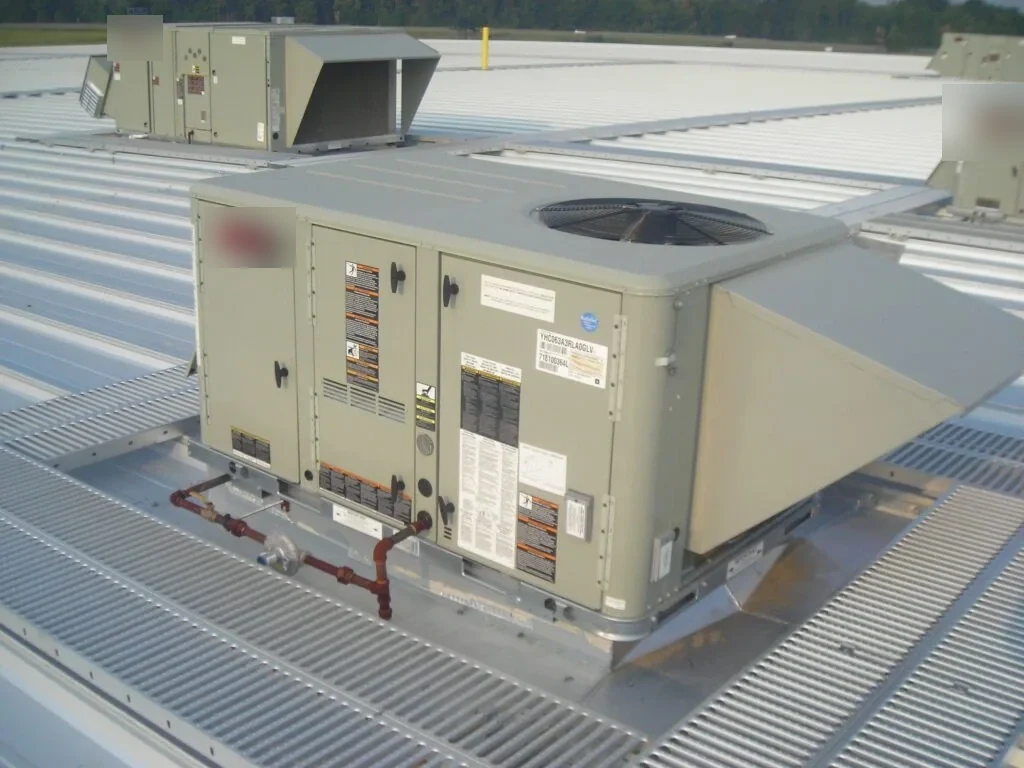
Roof conditions recorded with photos and written findings.