
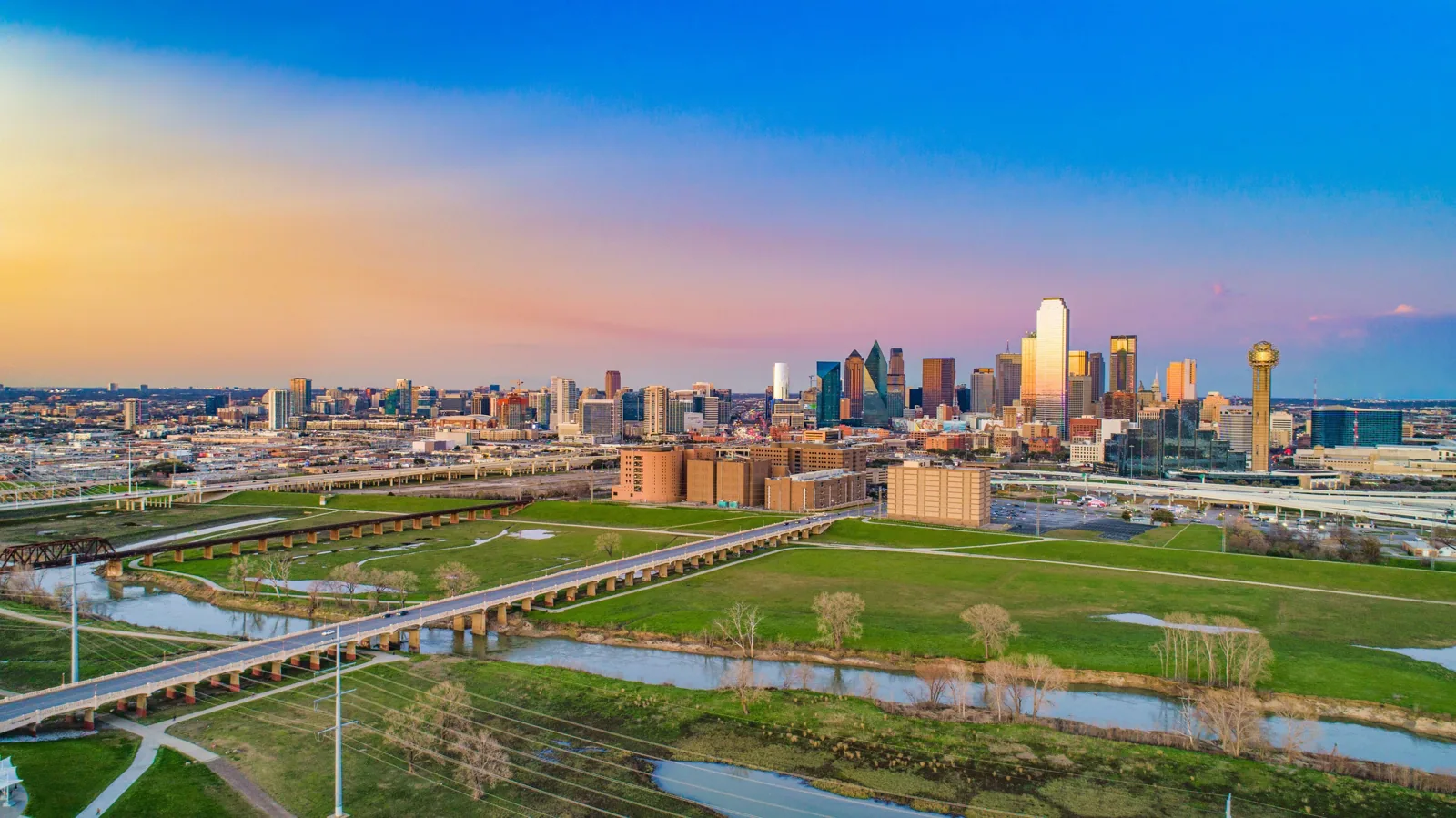
Commercial Roofing in Seagoville, TX
Commercial roofing in Seagoville begins with the building that needs service, whether it is tied to an industrial project or downtown revitalization. Seagoville’s economic-development work includes the Environmental Way Industrial Park and downtown renewal; its business-development corporation supports expansion, relocation, retention, redevelopment, and training. Those are citywide priorities, not evidence of a roof type or condition at a particular address. We identify the installed assembly, site contact, and reported symptom before drawing a repair limit.
Seagoville sits in southeast Dallas County, with Mesquite to the north, Kaufman County to the east, and Dallas to the west. That location can matter to a property’s schedule and access, but the site manager confirms the authorized entrance and work hours. We ask about deliveries, occupied rooms, lift placement, and equipment that cannot be shut down. Then the crew follows the leak path, checking nearby seams, drains, curbs, penetrations, and edges. A Mesquite commercial-roofing visit or roof repair in Forney has a separate scope; this inspection stays with the Seagoville property.
How Do Industrial and Downtown Projects Change Access?
Work near an industrial property may need a delivery window, a route that remains clear, or a lift location that avoids moving equipment. A downtown project may need a different check-in and protection plan. We do not infer current use from a redevelopment goal. The owner or manager tells us which areas are active, who may grant access, and whether adjacent work has changed the roof or wall details.
When contractors are working on the property, the roof plan should identify who controls each exposed transition. We note whether temporary protection was placed by another trade and what must be inspected before roofing resumes. If roof records are incomplete, our Diligence Notes identify the membrane, metal, coating, or other assembly that can be observed, along with unknown layers that may need testing. A condition report with roof-plan marks can help keep the findings linked to the correct area.
At a multi-occupant site, an access agreement should name the person authorized to release the roof section and receive a work update. We divide larger work into manageable areas and record the shift-end closure. A commercial reroof schedule for an occupied building can address notices and work-zone handoffs when a full-day closure is not practical.
Where Can Water Move Before It Appears Inside?
A ceiling stain can sit below the path water followed through insulation or along a deck. We begin at the interior report and trace uphill across the roof. The inspection checks field seams, patches, penetrations, curbs, wall flashing, drain bowls, scuppers, and perimeter metal. We photograph the observed condition and mark it on a roof plan when available. An area that cannot be reached safely is recorded as uninspected, with the access needed to complete the review.
Drainage observations include debris, blocked strainers, low areas, standing water, and the condition where the membrane meets the outlet. A blocked drain and a deck depression can produce similar ponding but require different work. If water remains after nearby sections clear, a ponding-water roof review can define a test area and determine whether insulation or deck condition changes the repair decision.
In the Mesquite market, DFW summer heat and humidity affect roof-surface work. July and August daytime temperatures commonly stay in the 90s and can reach 100 degrees or higher. We consider surface temperature and product limits before a repair begins, particularly when an exposed section must be bonded or coated. The weather fact describes the market region, not a measurement taken at a Seagoville roof. The assembly and field conditions determine the method.
What Evidence Supports a Permanent Repair?
A local repair can close a bounded failure if the surrounding material is stable. We identify the roof system, prepare sound material, and connect the repair to the affected detail. A membrane patch requires an appropriate surface and compatible attachment. At a penetration, flashing needs a continuous transition; at a metal panel, the seam and fasteners may need attention. The proposal names the preparation, repair boundary, and conditions that would require owner approval before the crew expands the work.
If insulation is wet, surface work alone leaves the damaged layer in place. A test opening can show where removal should begin and end. We photograph the layers and identify confirmed quantities separately from an allowance. When multiple roof areas show deterioration, the owner can compare localized repairs with a broader recovery or replacement based on the same plan and access assumptions. Commercial roof repair covers a specific condition; a replacement estimate should show removal, dry-in, materials, and protection as separate scope drivers.
Drain outlets deserve compatible transitions. A drain and scupper detail repair can include the bowl or opening and the adjoining roof surface. If the cause remains uncertain, we state what test would answer the question before permanent quantities are set.
When Should the Work Move to Another Shift?
Forecast rain, high roof-level wind, wet surfaces, and temperature limits can change which task can be completed safely. We check conditions before opening a roof section and choose an area that can close within the approved window. If the surface cannot support the planned repair, the crew protects the boundary and resets the sequence. The property contact receives the new work window and any exposure that remains.
Severe storms peak in spring across the Dallas-Fort Worth region. Regional events include hail, damaging wind, flooding, and tornadoes in most years, although a single town or building does not experience each hazard annually. Following a reported event, a storm inspection and repair scope documents the condition at the property rather than relying on the regional report alone. For active water entry, temporary leak protection may help while a permanent detail is assessed.
Cost and duration depend on roof height, measured repair area, assembly, equipment access, material availability, moisture or deck findings, and how many shifts the site can release. If access crosses an active work zone, we coordinate the route and notices before dispatch. A concealed condition is recorded before the quantity changes.
What Should the Owner Receive After Service?
The closeout identifies the roof section, repair limit, preparation, installed materials, photos, test findings, and any item deferred because of access. We mark completed work on the plan and state whether a temporary measure remains. If testing exposed wet insulation or deck damage, the record shows where it began and what material was restored. Those notes help a later manager connect an interior report to the right roof area.
For properties with planned redevelopment, a clear file can separate existing roof conditions from work completed by different trades. We record the date, contact, roof system where identified, and any transition left for follow-up. This gives the owner a basis for maintenance or capital planning without treating a citywide project goal as a building-level condition.
For a Seagoville roof review, provide the building location, roof records, leak or event history, person authorizing entry, and hours when access is possible. We can confirm logistics before inspecting the released section.
Commercial Roofing Questions
Does the Environmental Way Industrial Park mean my property is industrial?
Not necessarily. Environmental Way is one of Seagoville’s economic-development areas. We confirm the current use and roof assembly with the property contact before setting a scope.
Can roof work be planned around downtown activity?
Yes. The manager can confirm access hours, pedestrian routes, lift placement, and any adjacent work. We use those limits to set the work zone and shift sequence.
What if the roof has no current plan or repair history?
We document the visible system, symptoms, drainage, and details we can safely reach. The report lists unknown layers and any test needed before pricing hidden conditions.
Can a repair follow another contractor's roof work?
Yes, after we inspect the transition and confirm which party controls it. We record existing protection, exposed edges, and the repair limit before taking over the scope.
How do you keep temporary controls separate from permanent repairs?
The work record states what was covered, what remains exposed, and the follow-up needed for a durable detail. Temporary leak control is not listed as a completed permanent repair.
Set a Commercial Roof Visit in Seagoville
Send the property address, roof plan, leak or storm timeline, site contact, and approved access window. We will inspect the roof section and document the next step.
Scope, access and schedule reviewed before work begins.
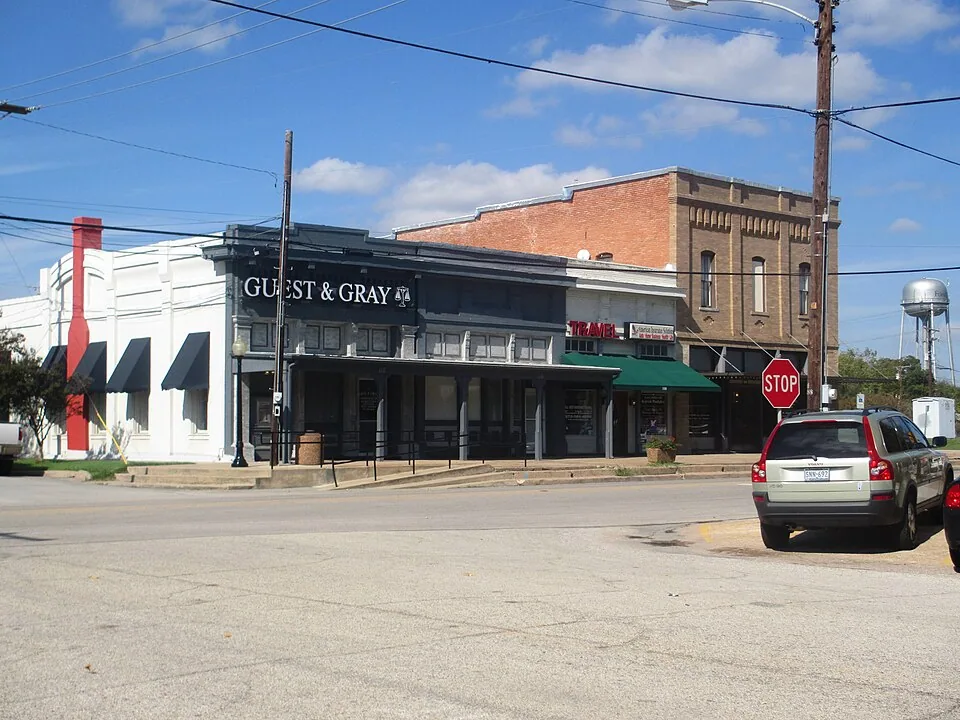
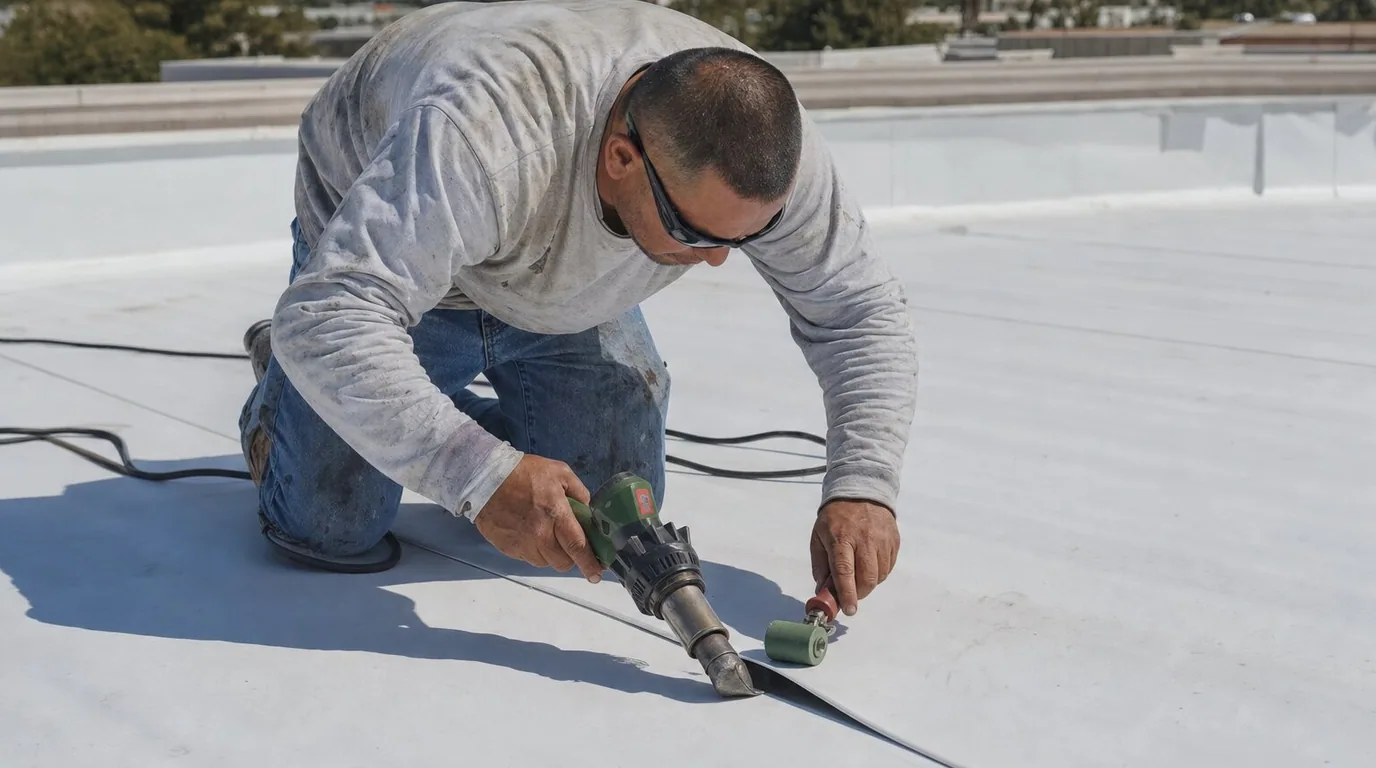
Work planned around the building and its daily operations.