Soprema Commercial Roofing in Mesquite, TX
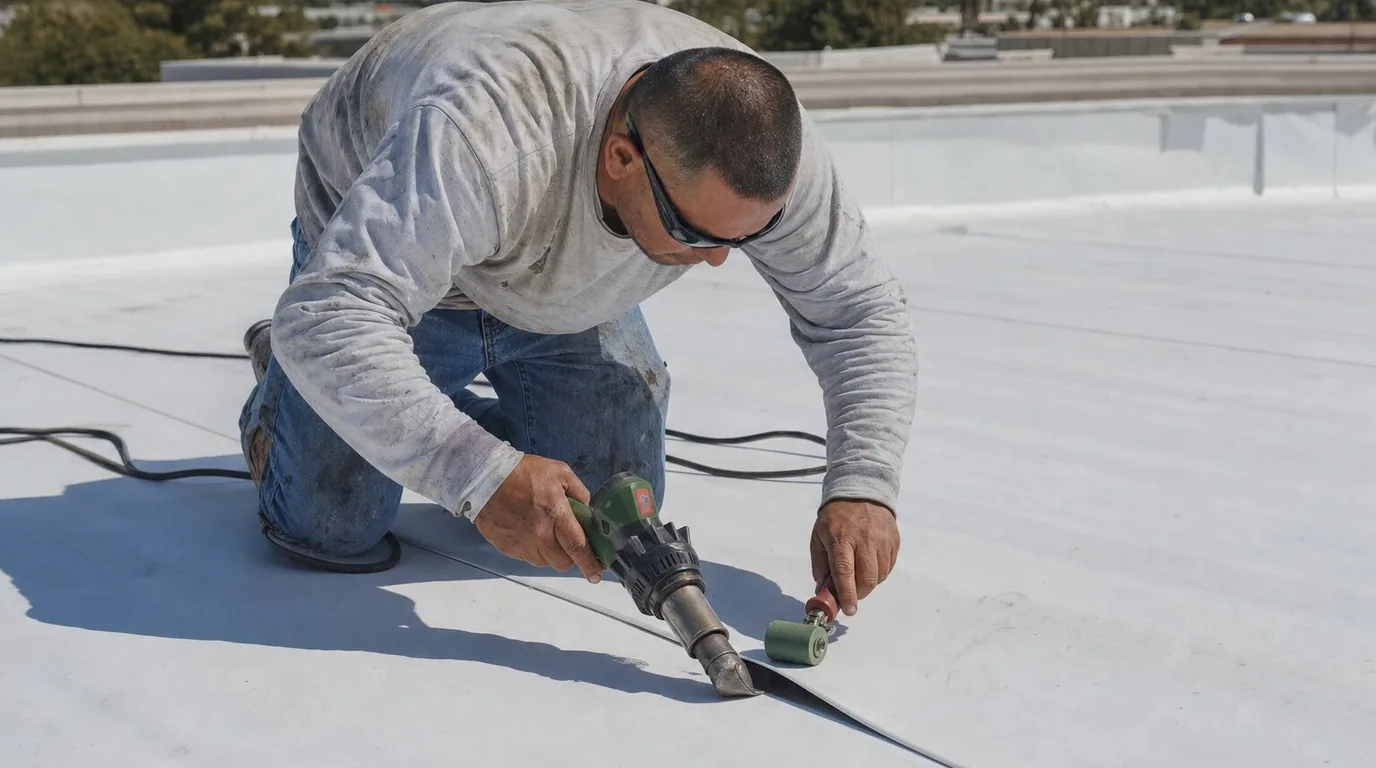
A lifted lap on a multi-ply roof can let water pass beneath the edge and spread through the assembly. We check the sheet, seam, flashing, and substrate before choosing a patch, section opening, or broader scope. Soprema systems include modified bitumen roofing, but a roof may have layers from several repair periods. We verify the build-up before selecting a compatible repair. Overlapping plies transfer water control from one course to the next.
Downtown Mesquite mixes business, shopping, employment, and personal services. A leak over an occupied storefront calls for interior protection and a contained roof opening. We identify the affected section, then plan material handling around the schedule. A modified bitumen roof assembly needs rebuilt ply transitions, not a cover over a loose lap.
What Is Moving at the Lap?
We inspect for open laps, ridges, splits, exposed reinforcement, blisters, and lost adhesion at edges or flashings. Water can sit between plies. We probe the suspected area and check drains, parapets, curbs, and penetrations. If the top sheet looks intact but the interior is wet, we trace the path through the assembly instead of stopping at the first visible layer.
Repair depends on the surface and system. A compatible patch may use modified bitumen sheet and approved attachment methods. Self-adhered material needs a clean surface and firm pressure at the lap. We do not cover a soft, wet, or unstable base. A controlled opening shows whether water reached insulation or deck and how far removal must extend.
The Town East retail area includes storefront, restaurant, and entertainment uses. We mark interior protection below the repair and coordinate access with the operator. If the lap is near a drain, a drain and scupper inspection can address the low point and its membrane connection.
Has Water Reached the Insulation?
Water can move between plies before it appears on a ceiling. We compare the leak timeline with slope, seams, penetrations, and drainage. Moisture mapping selects test points, while a test cut confirms wet insulation or deck deterioration. We mark that boundary. Leaving saturated material below a patch can carry moisture beyond the repair.
We mark each opening on the roof plan and photograph the layers as they are removed. The record shows where the assembly changed, what remained dry, and which transitions were rebuilt. An inspection with roof-section findings can distinguish a local lap failure from a wider condition. Where the cause remains uncertain, we identify the next test before expanding the scope.
An infrared moisture survey before opening the roof can narrow the areas that need direct confirmation.
Which Roof Findings Make a Broader Soprema Repair Necessary?
A patch is reasonable when damage is limited, surrounding plies are bonded, and the base is dry and stable. Repeated open laps, widespread blisters, wet insulation, or failed base flashing may call for section replacement. If defects extend farther, we compare repair with tear-off. The estimate names affected areas, transitions, and conditions concealed until the assembly is opened.
Downtown Mesquite zoning allows shopping, employment, housing, business, and personal services. Use affects how we stage tear-off, protect occupants, and keep entrances clear. We set the daily removal limit and dry-in point. A roofing plan for Downtown Mesquite properties begins with access and roof records, not the district name.
A recover is an option only when layers are dry, secure, and suitable under project requirements. Added material changes weight and details at drains and edges. We compare the existing assembly with removal. A Sika Sarnafil PVC roof or Versico single-ply assembly needs its own substrate and transition review.
How Do We Work Around Occupants?
We confirm occupied areas, entrances that must stay open, roof access, and where the work zone can be isolated. The sequence separates removal, substrate correction, and new plies so the opening can close in the planned shift. If rain shortens the window, we secure the roof before leaving. The facility contact receives a clear protection and access boundary.
Spring storms can bring strong wind and heavy rain across the Metroplex. We check conditions before opening a section and keep temporary protection ready. Emergency water control may precede permanent work. We record the first response separately from completed repair, so the owner can see which lap was rebuilt and what still needs inspection. A wind-related roof inspection can check edges and transitions after a reported storm.
The Towne Centre reinvestment district includes retail, office, industrial, and service activity. A building's hours still govern loading, noise, and access. We coordinate those constraints before staging material. Photos and a roof condition record can give ownership and maintenance staff the same repair boundary.
What Does the Closeout Need to Show?
The closeout marks repaired laps, flashings, test openings, and excluded areas. Photos show the layers before they were covered and the finished transition. We record materials, method, and any wet insulation or deck condition that changed the work. That record helps the next visit find the same roof section after rain.
We check that drains are open, edges secure, and debris removed. Follow-up can focus on prior repairs or points that were inaccessible. The recommendation identifies what needs action and what can be monitored. It gives an asset manager a repair limit based on observed roof conditions.
Send the roof plan, leak timeline, photos, earlier repair notes, and access restrictions. We will inspect the Soprema assembly, identify the failure, and compare patch, section repair, or replacement. If water is active, tell us which area needs temporary protection first.
Commercial Roofing Questions
Can you patch a Soprema modified bitumen roof without removing every layer?
A focused patch can work when the opening is limited and the surrounding plies, insulation, and deck remain stable. We inspect the lap and any nearby flashing, then open the assembly if moisture could be trapped below. The scope identifies what was removed and what remains. If the base is wet or loose, the patch boundary needs to move to sound material.
How do you find water between roofing plies?
We follow the interior leak uphill, inspect seams and details, and use moisture mapping to choose test locations. A test cut shows the layers and confirms whether insulation is wet. We mark that boundary before rebuilding the roof. This prevents a top-surface repair from hiding moisture that continues beyond the visible lap.
Does hot weather affect modified bitumen repair work?
Heat affects the work window, surface condition, material handling, and crew exposure. We check the system instructions and actual roof conditions before applying heat or self-adhered materials. The regional summer climate is context, not a diagnosis of one roof. We base the repair on the lap, base sheet, insulation, and deck we inspect.
Can tenants keep using the building during a multi-ply repair?
Often, if the work zone and interior protection are planned around entrances, deliveries, and occupied areas. We divide removal into sections that can close during the agreed window. If noise, odors, or access restrictions affect a particular space, we set that boundary before work begins and tell the facility contact how weather could change the sequence.
What should we compare in a repair and replacement proposal?
Compare the roof areas included, layers to be removed, insulation and deck assumptions, rebuilt details, and work windows. The proposal should separate confirmed conditions from concealed areas that need opening. We show a repair limit and a replacement path so you can weigh immediate control against broader correction using the same building records.
Trace the Lap Before Choosing the Scope
Share the roof plan, leak timeline, photos, prior repairs, and a safe access window. We will inspect the Soprema assembly, check the plies and insulation, and set a repair boundary that matches the roof condition.
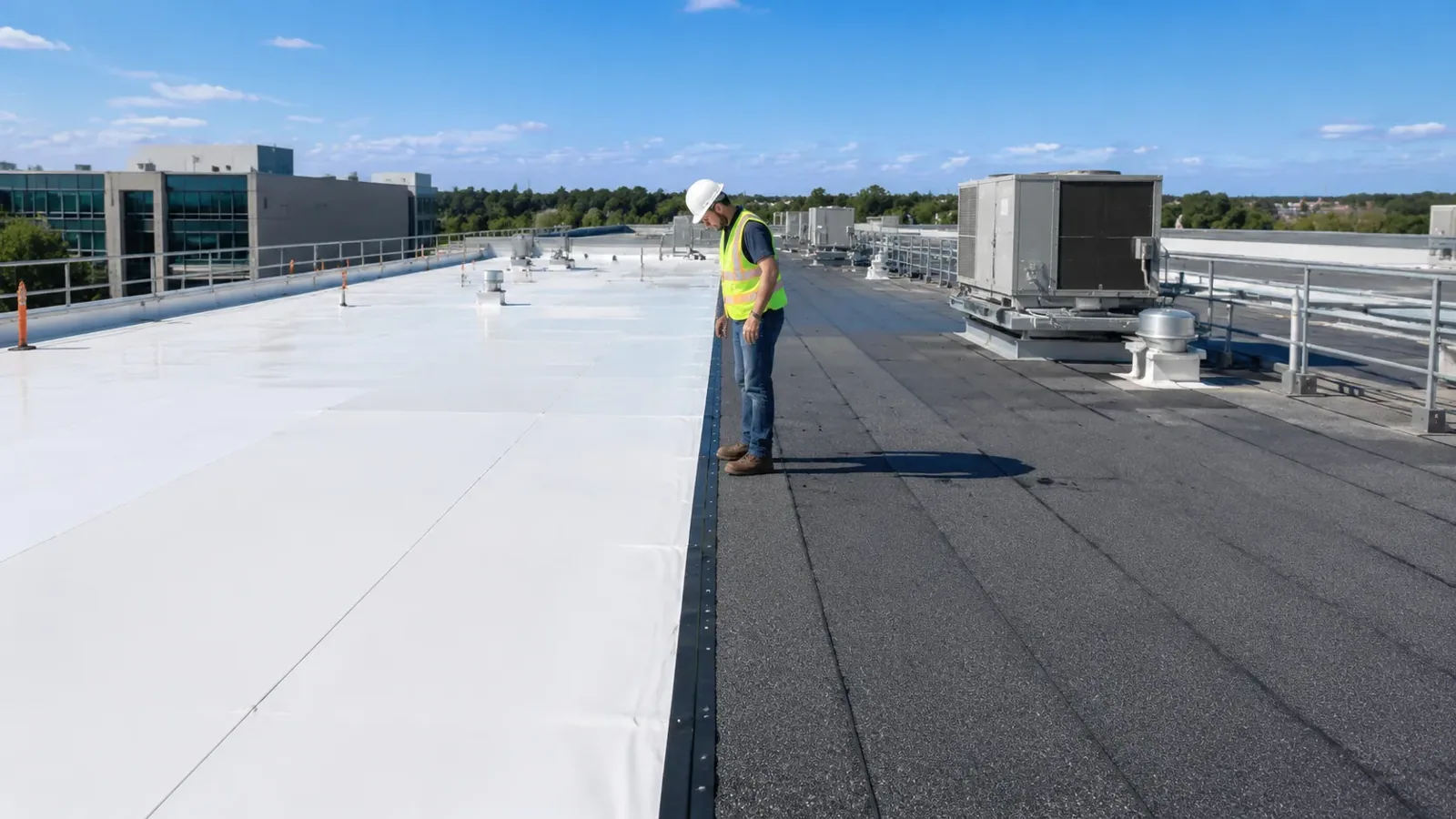
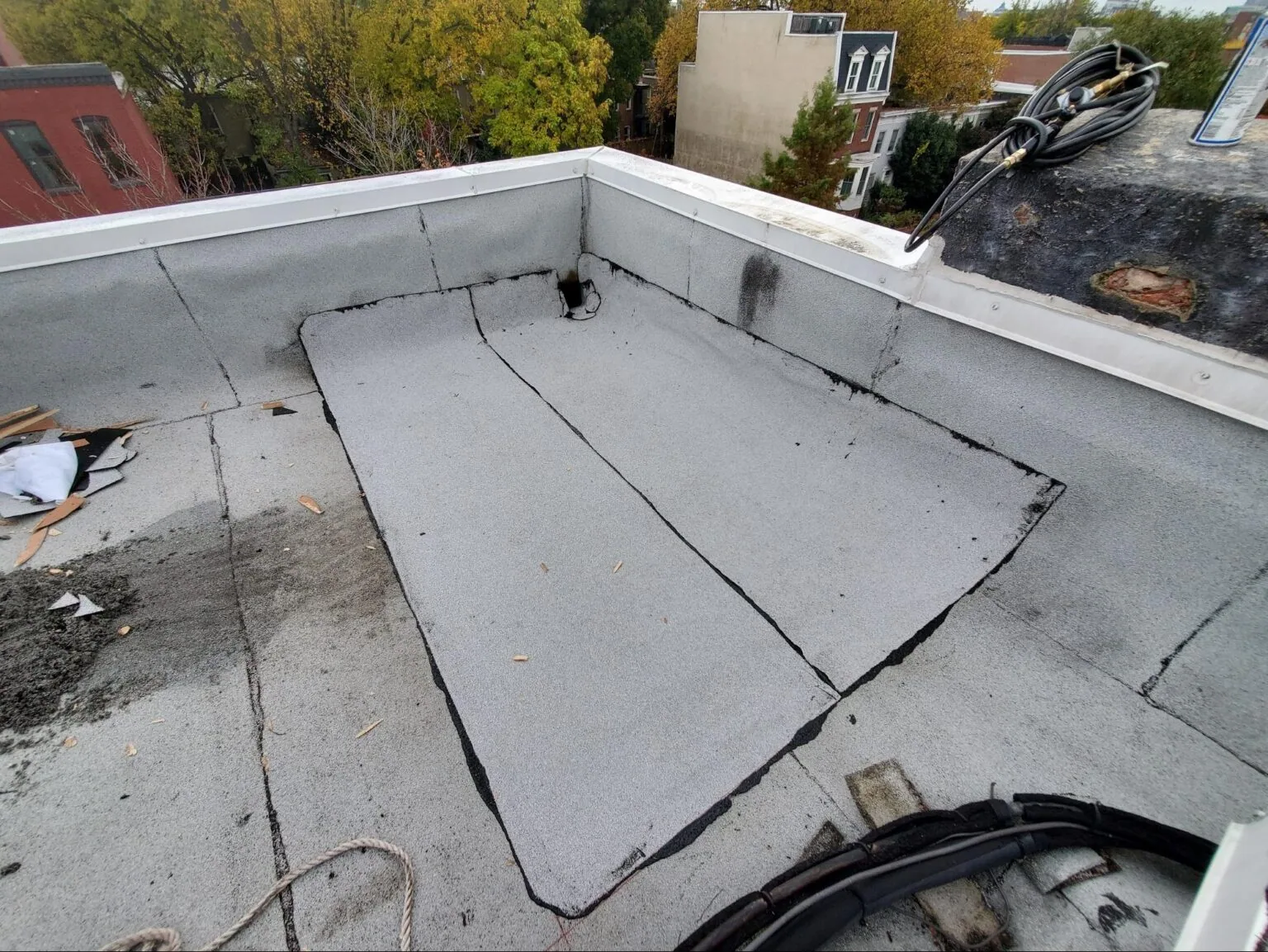
Roof conditions recorded with photos and written findings.