Commercial Cool Roof Installation in Mesquite, TX
A reflective roof can reduce solar heat absorption, but a bright surface will not correct wet insulation, open seams, or poor drainage. We inspect the existing membrane, roof layers, penetrations, and interior conditions before comparing coating or replacement options. The scope has to address the roof that is there, not just the surface color. That distinction matters when a facility is already planning mechanical work or trying to limit heat exposure during long operating shifts.
Mesquite's retail and service buildings near Town East serve different hours than the manufacturing and distribution properties in the Skyline Logistics Hub district. The right installation window depends on roof access, equipment, foot traffic, and what lies beneath the work area. A cool roof assessment in the Town East retail area can be set around customer access, while an industrial building near Big Town and Town East Boulevards may need staging around dispatch. If the roof has a leak history, inspection and moisture mapping should come before a reflective finish is selected.
What Does a Reflective System Need to Fix?
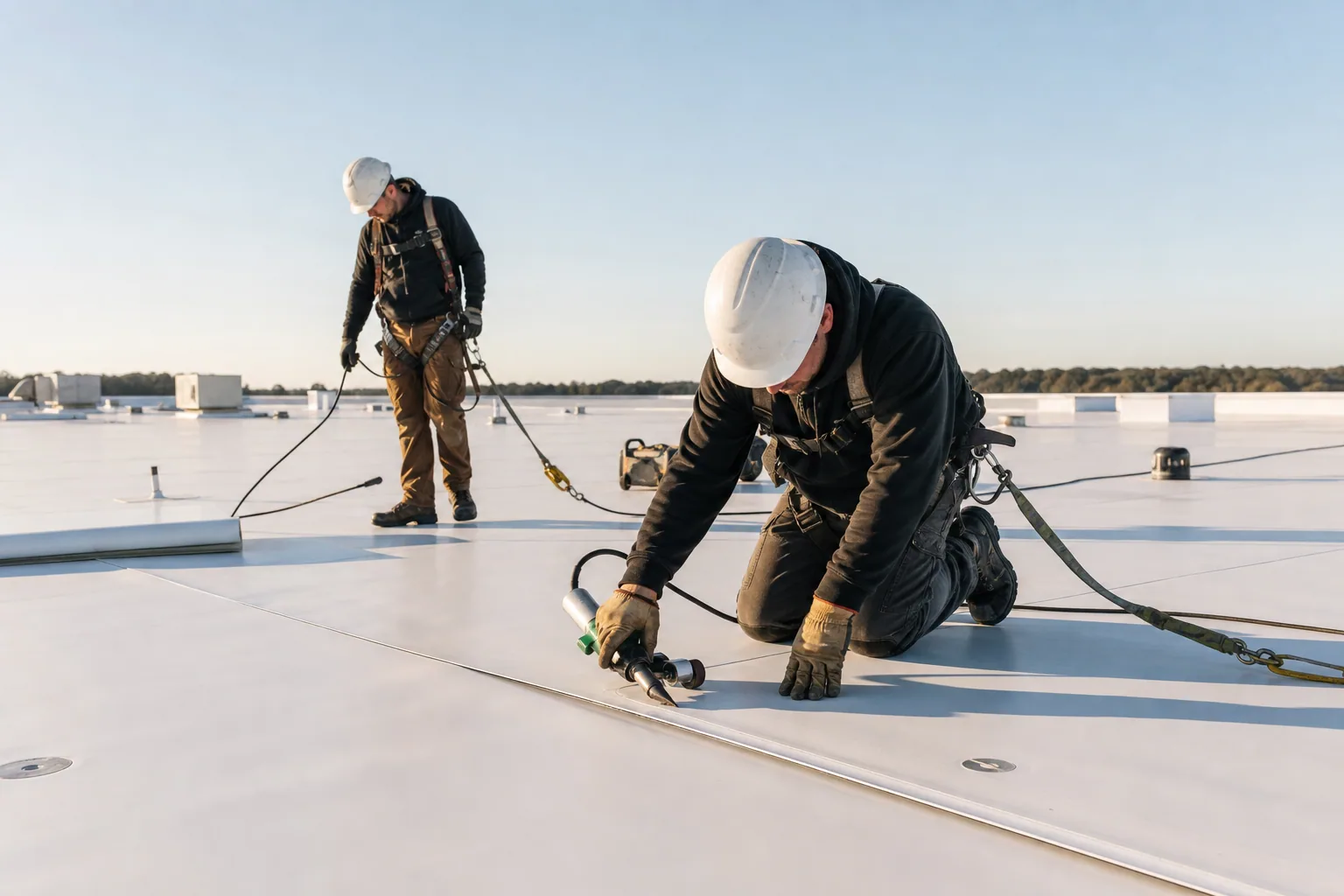
We start with the heat problem the owner wants to address and the condition of the existing assembly. A reflective membrane or coating can change the roof surface's solar response, but the result depends on coverage, condition, insulation, air movement, and the building's operating profile. We check whether the surface is clean and sound enough for coating, whether seams are secure, and whether moisture is trapped below. A coating over a failing roof can hide a defect without restoring the assembly.
On a low-slope roof, ponding, debris, and rooftop equipment can interrupt a reflective surface. We inspect drains, crickets, scuppers, and areas shaded or blocked by units. The drainage review can identify water paths that should be corrected before coating. If the insulation is wet or crushed, insulation and cover board work may need to be part of the project. The recommendation separates energy goals from conditions that require repair first.
Should the Roof Be Coated or Replaced?
A coating is considered when the existing roof is eligible for restoration and the underlying assembly remains suitable. We test adhesion, inspect seams and penetrations, and check for wet areas or loose material. A roof with widespread moisture or failed attachment may need selective removal, recover, or replacement instead. The decision should include repair limits, expected maintenance needs, access, and how long the facility can accommodate active work.
Different systems require different preparation. Silicone and acrylic products have distinct application conditions and cannot be treated as interchangeable. We match the system to the membrane, slope, water exposure, and manufacturer requirements for the product used. A silicone coating system or acrylic roof coating is considered only after the substrate and drainage are reviewed. If the membrane has exceeded what restoration can address, replacement planning gives the owner another path.
At Urban District 30, industrial business-park development is planned near Interstate 30 and Republic Parkway. That local context does not establish any one roof's condition, but it makes access and equipment staging useful early questions. A roof coating review in Urban District 30 starts with the actual roof section, safe access, and the facility's operating window.
What Has to Happen Before Application?
Preparation can include washing, removing loose coating, repairing seams, reinforcing penetrations, replacing wet material, and protecting equipment. We confirm that the substrate is dry and compatible before application. Wind, rain, surface temperature, and dew can affect the work window. The crew stages material so the roof can be completed in controlled sections, with edges and transitions protected when the shift ends.
North Texas spring brings regional thunderstorms, hail, damaging winds, and heavy rain. A forecast helps decide when to schedule surface preparation or application, but each day's roof conditions govern whether work can proceed. We do not leave an exposed area without a dry-in plan. A storm-damage review can identify impacts that need repair before restoration begins. The facility receives a clear sequence for cleaning, testing, repairs, application, and return to normal roof access.
Equipment supports, drains, wall transitions, and skylights need their own detailing. Coating does not replace proper flashing or a secure termination. The equipment curb repair can correct a weak transition before the field coating is installed. We protect intakes and sensitive rooftop components as needed and keep overspray away from adjacent surfaces.
How Will Installation Affect the Facility?
We divide the roof into work zones and confirm how crews, lifts, and materials will reach each section. A retail property may need entrances and customer routes kept clear. An industrial site may need a loading window and a path for long material deliveries. Town East and the Skyline area have different building mixes, so we set the schedule with the facility contact instead of applying one sequence to every property.
Odor, access limits, roof noise, and temporary closures vary by system and project. We identify the areas affected, the times when a roof hatch or service route will be unavailable, and any mechanical shutdown needed. For an occupied building, reroofing around active operations can coordinate notices and protection. If the facility has multiple roofs, roof asset management can prioritize sections by condition and operating impact.
After application, access may be restricted until the system has cured or reached the required condition. We provide the facility with the reopening sequence and explain which areas remain under observation. Service technicians should follow the agreed route so new foot traffic does not damage a fresh surface or track debris into drains.
What Should the Owner Receive?
The closeout record identifies the surface preparation, repairs, system applied, roof sections completed, and details left outside scope. Photos show drains, edges, curbs, and transitions before and after application. We note weather interruptions or areas that could not be completed so the owner can track the remaining work. That gives maintenance staff a baseline for future observations and cleaning.
A reflective roof still needs upkeep. Debris, new penetrations, foot traffic, and drain blockage can affect performance. A maintenance program can revisit seams, coating condition, and drainage at planned intervals. If the building needs a broader capital view, a condition report can separate restoration-ready areas from sections that need other work. The recommendation stays tied to observed conditions and the owner's priorities.
Commercial Roofing Questions
Will a reflective coating lower the building's cooling load?
It can reduce solar absorption at the roof surface, but the building result depends on insulation, air leakage, equipment, controls, and operating hours. We inspect the assembly and discuss the conditions the owner wants to improve. A coating is not a substitute for correcting wet insulation or failed membrane details. The proposal separates roof restoration from broader energy work.
How do you decide whether coating is suitable?
We check membrane condition, adhesion, moisture, drainage, seams, and penetrations. Test areas can help confirm compatibility where needed. If the roof is unstable or moisture is widespread, another repair path may be more appropriate. We identify preparation and repair work before describing the coating scope, so the owner can compare restoration with recover or replacement.
Can coating be applied over a roof with ponding water?
Standing water can affect system selection and may signal a drainage or structural issue. We map low areas, inspect outlets, and confirm whether the surface meets the selected system's requirements. A coating does not create slope. The work plan may need drain correction, tapered insulation, or another assembly repair before application proceeds.
What weather conditions can delay the work?
Rain, wind, surface moisture, temperature, and dew can change whether preparation or application is safe and compatible with the product. We check the roof and the working forecast each shift. If conditions threaten adhesion or a weather-tight closeout, we protect the area and reset the sequence rather than rush the application.
How should we plan access after the coating is installed?
We set a cure and reopening plan for the actual system and conditions. The facility should keep technicians and routine roof traffic off a section until it is ready for access. We identify the safe route and any details that remain under observation. A later maintenance visit can check drains, transitions, and surface wear.
Check the Roof Before Choosing a Reflective Finish
Share the roof history, leak locations, access limits, and operating schedule. We will inspect the membrane, insulation, drainage, and details, then compare restoration with other repair options.
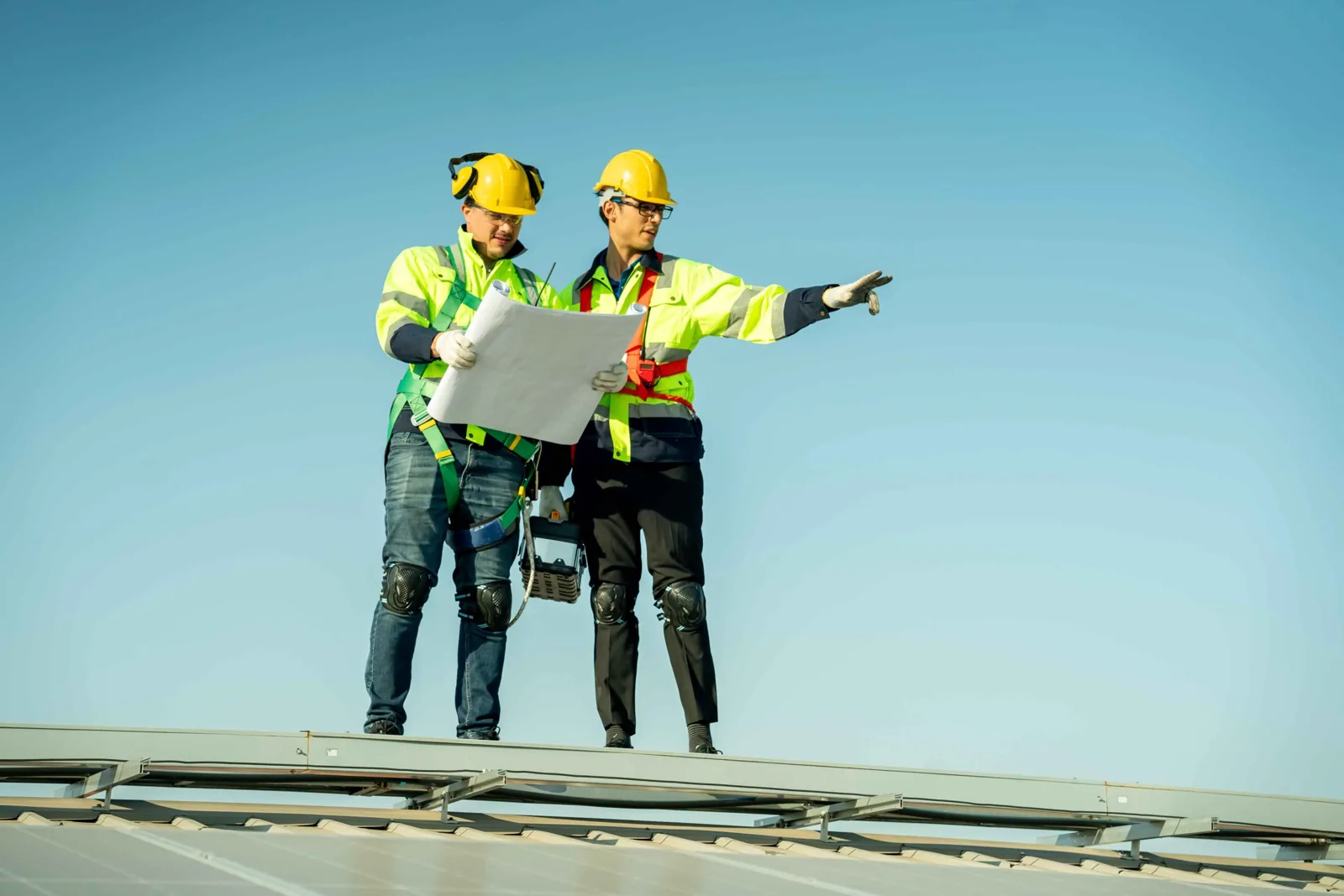
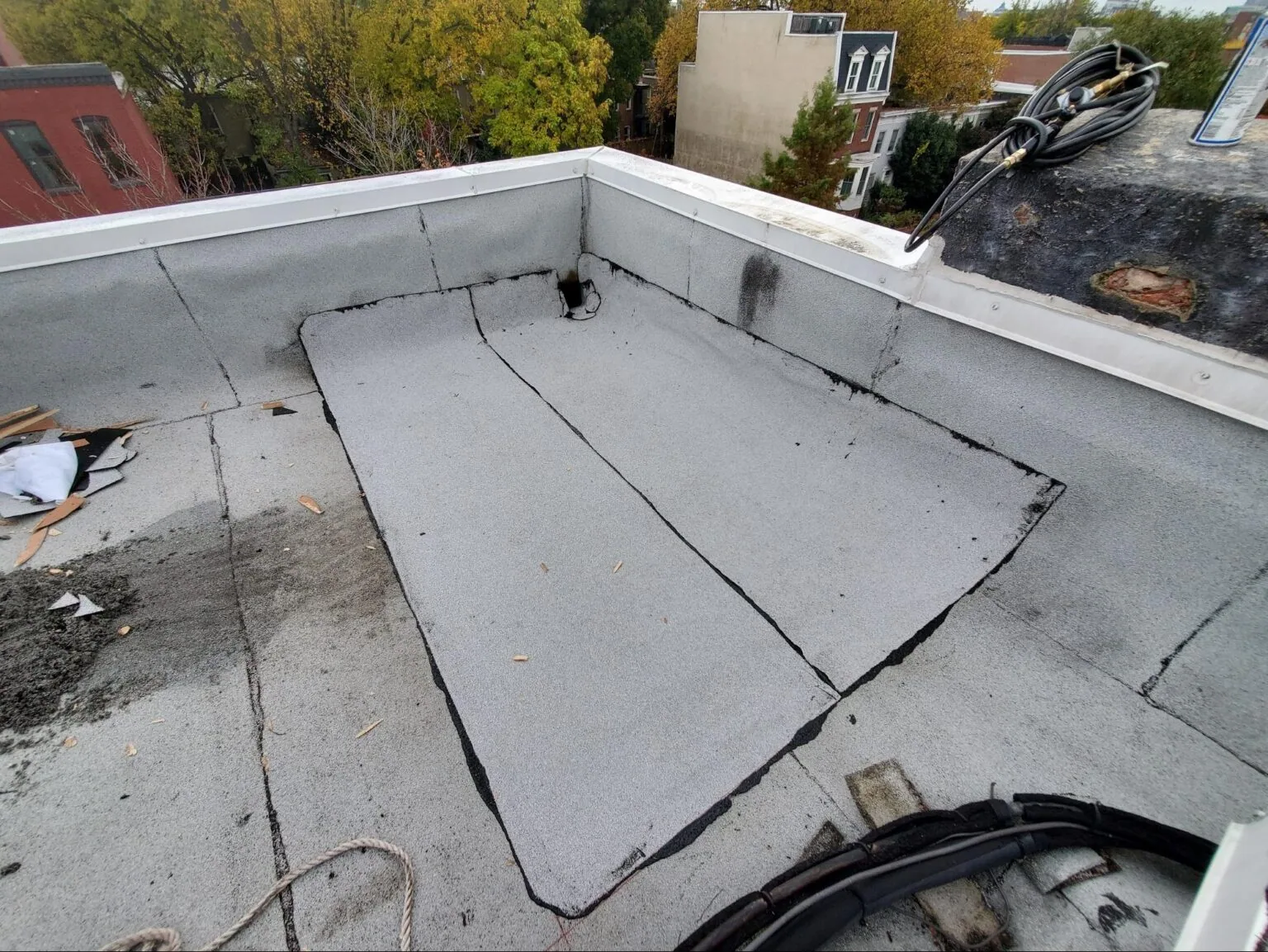
Work planned around the building and its daily operations.